






Why Modern Herbicides Use Combination Formulations: The Science Behind Better Weed Control
Apr.20.2026
Table of Content
[Hide]
Introduction
Weed control is entering a new era. Farmers across global cropping systems are facing a growing challenge: traditional single-active herbicides are becoming less reliable due to resistance, shifting weed populations, and stricter environmental expectations. As a result, modern agriculture is rapidly adopting combination herbicide formulations—products that integrate two or more active ingredients with different modes of action.
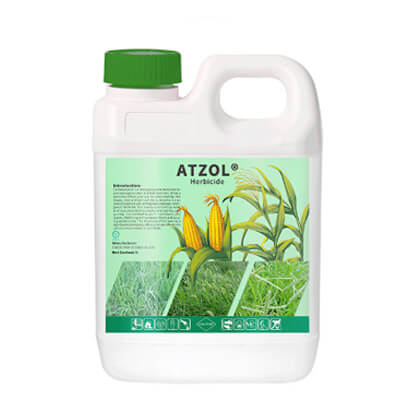
This article explains the scientific rationale behind combination herbicides, how they improve performance, and why they are increasingly essential in sustainable crop protection strategies.
What Are Combination Herbicides?
Combination herbicides are formulations that contain two or more active ingredients with different modes of action, designed to improve weed control efficacy, broaden the weed spectrum, and delay resistance development.
The Growing Problem: Herbicide Resistance
Herbicide resistance is no longer a localized issue—it is a global agricultural concern.
According to the Weed Science Society of America, there are over 500 unique cases of herbicide-resistant weeds worldwide, affecting more than 270 species. These resistant biotypes reduce herbicide effectiveness, increase production costs, and threaten crop yields.
Why Resistance Happens
Resistance develops when:
The same herbicide (same mode of action) is used repeatedly
Susceptible weeds are eliminated, leaving resistant individuals to reproduce
Genetic traits for resistance spread across populations
This creates a selection pressure that weakens single-active herbicides over time.
Why Single-Active Herbicides Are No Longer Enough
Historically, single-ingredient herbicides were widely used due to simplicity and cost efficiency. However, modern farming conditions expose several limitations:
| Limitation | Impact on Farming |
Narrow weed spectrum | Ineffective against mixed weed populations |
Resistance development | Reduced long-term efficacy |
Timing sensitivity | Requires precise application window |
Environmental variability | Performance fluctuates under field conditions |
These challenges have led to a shift toward more sophisticated solutions.
The Science Behind Combination Formulations
Combination herbicides work by integrating multiple biological mechanisms into a single formulation.
1. Multiple Modes of Action (MOA)
Each active ingredient targets a different biochemical pathway in the plant. For example:
One component may inhibit photosynthesis
Another may disrupt lipid synthesis or cell division
This multi-target approach makes it significantly harder for weeds to survive.
2. Synergistic Effects
In some formulations, the combined effect is greater than the sum of individual components. This can result in:
Faster weed kill
Improved uptake and translocation
Higher overall efficacy at lower doses
3. Broader Weed Spectrum
Combination herbicides are designed to control:
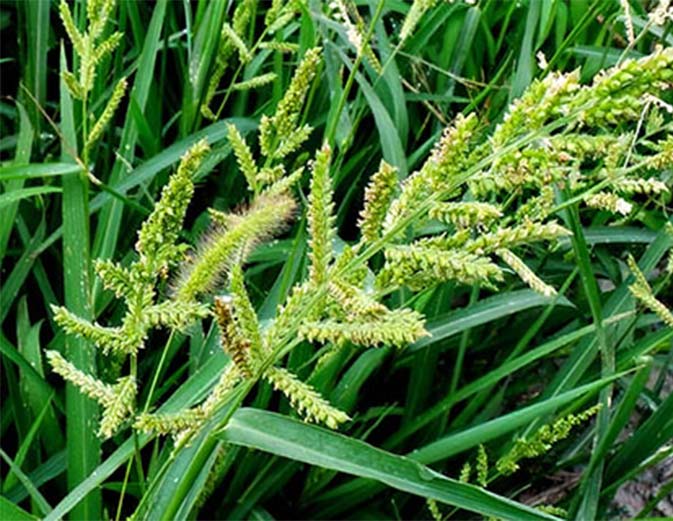
Grassy weeds
Broadleaf weeds
Sedges
For instance, pairing a grass-specific active like metamifop herbicide with a broadleaf-targeting compound can deliver comprehensive control in a single application.
4. Resistance Management
By attacking weeds through multiple pathways, combination herbicides:
Reduce selection pressure on a single mechanism
Lower the probability of resistance development
Extend the useful life of herbicide technologies
The Food and Agriculture Organization emphasizes integrated approaches—including chemical diversity—as a key strategy for resistance management.
Practical Advantages for Modern Farming
1. Improved Field Efficiency
Farmers can reduce the number of spray passes by using one product instead of multiple applications. This lowers:
Labor costs
Fuel consumption
Equipment wear
2. More Flexible herbicide application
Combination products often provide wider application windows. This flexibility is crucial in large-scale farming where weather conditions and labor availability vary.
3. Consistent Performance Across Conditions
Environmental variability—such as rainfall, temperature, and soil conditions—can influence herbicide effectiveness. Multi-active formulations help stabilize performance under diverse conditions.
Case Example: Paddy Field Weed Management
Rice cultivation often involves complex weed ecosystems, including grasses and aquatic broadleaf species.
A commonly used active ingredient in such systems is pretilachlor herbicide, which targets early-stage weed growth. When combined with other actives:
Weed emergence is suppressed more effectively
Residual control is extended
Crop safety is maintained
According to International Rice Research Institute, effective weed control can increase rice yields by 15–50%, depending on infestation severity.
Formulation Technology: Beyond Mixing Ingredients
Modern combination herbicides are not just physical mixtures—they rely on advanced formulation science.
Key Technologies Include:
| Technology | Function |
| Suspension concentrates (SC) | Stable dispersion of actives |
| Emulsifiable concentrates (EC) | Improved penetration into plant tissues |
| Microencapsulation | Controlled release of active ingredients |
| Adjuvant systems | Enhanced absorption and spreading |
These innovations ensure that each active ingredient performs optimally within the same product.
Environmental and Regulatory Considerations
Combination herbicides can also support more sustainable agriculture when properly used:
Lower total chemical load through optimized dosing
Reduced need for repeated applications
Better targeting reduces off-target effects
However, regulatory agencies emphasize responsible use. Organizations such as the United States Environmental Protection Agency require extensive testing to ensure safety for:
Human health
Non-target organisms
Soil and water systems
The Role of Innovation in Crop Protection
As agriculture becomes more data-driven and precision-focused, combination herbicides are evolving alongside it.
A modern crop science company typically integrates:
Field data analytics
Resistance monitoring
Formulation engineering
Sustainable chemistry
This integrated approach ensures that herbicide solutions remain effective and adaptable in changing agricultural landscapes.
Future Trends in Combination Herbicides
Looking ahead, several trends are shaping the development of next-generation herbicides:
1. Precision Formulations
Tailored combinations for specific crops, regions, and weed profiles.
2. Resistance-Smart Design
Formulations specifically engineered to delay resistance evolution.
3. Integration with Digital Agriculture
Use of AI and sensors to optimize application timing and dosage.
4. Eco-Friendly Chemistry
Reduced environmental impact while maintaining high efficacy.
Conclusion
Combination herbicides represent a critical advancement in modern weed control, offering improved efficacy, broader spectrum coverage, and effective resistance management. By integrating multiple modes of action, these formulations address the limitations of single-active products and support sustainable agriculture. As farming systems grow more complex, combination technologies will continue to play a central role in ensuring reliable and efficient crop protection.
FAQ
1. What is the main advantage of combination herbicides?
They provide broader weed control and reduce the risk of resistance by using multiple modes of action.
2. Are combination herbicides safer for crops?
Yes, when properly formulated and applied, they are designed to maintain crop selectivity while improving weed control.
3. Do combination herbicides reduce costs?
They can lower overall costs by reducing the need for multiple applications and improving efficiency.
4. Can combination herbicides prevent resistance completely?
No, but they significantly delay resistance when used as part of an integrated weed management strategy.
5. How should farmers choose the right formulation?
Selection should consider crop type, weed spectrum, resistance history, and local agronomic conditions.
References
1. Food and Agriculture Organization
2. Weed Science Society of America
3. United States Environmental Protection Agency
4. National Center for Biotechnology Information
References
Related Agrochemical Products
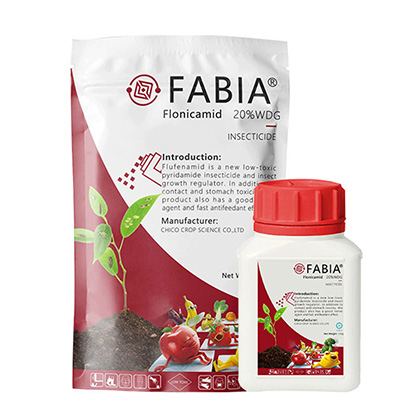
FABIA® Flonicamid 20%WDG Insecticide
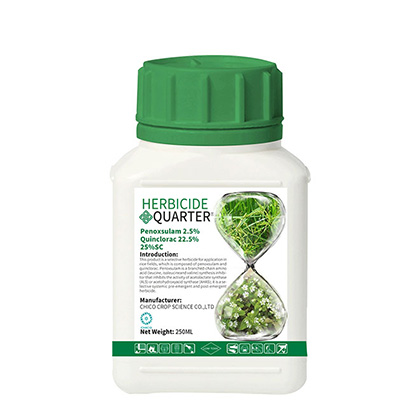
QUARTER® Penoxsulam 2.5%+Quinclorac 22.5% 25% SC Herbicide
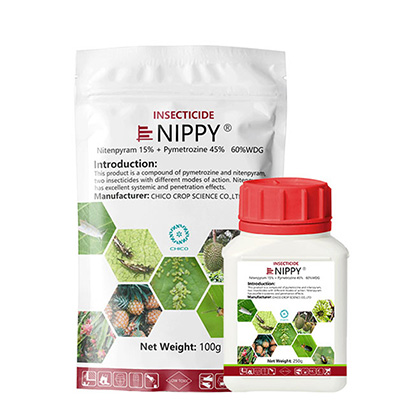
NIPPY® Nitenpyram 20%+Pymetrozine 60% 80%WP Insecticide
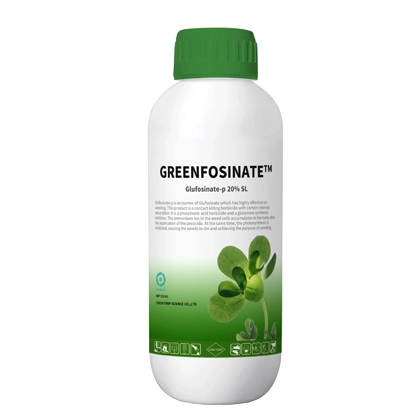
GREENFOSINATE® Glufosinate-p 20% SL Herbicide
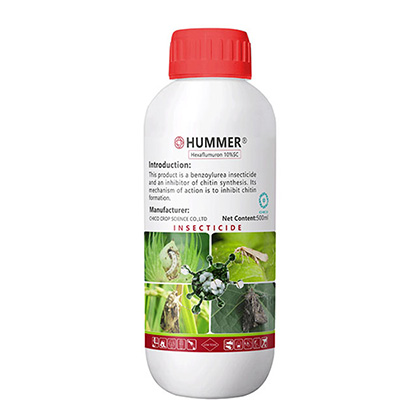
HUMMER® Hexaflumuron 5%EC Insecticide
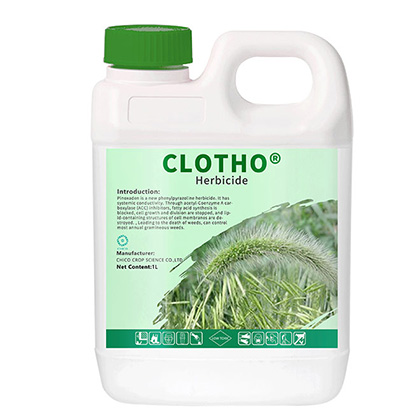
CLOTHO® Pinoxaden 5% EC Herbicide
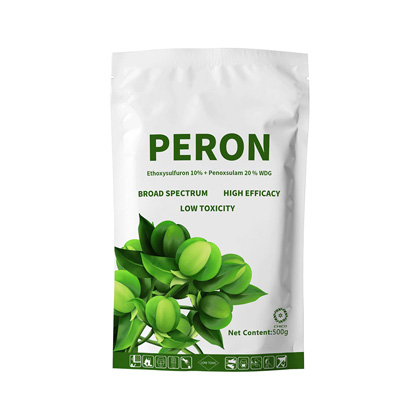
PERON® Penoxsulam 20%+ Ethoxysulfuron 10%WG Herbicide
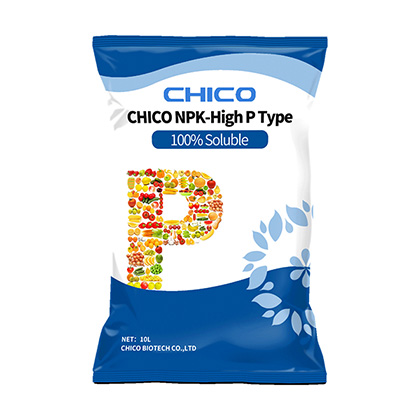
CHICO NPK® High Phosphorus Water-soluble Compound Fertilizer
Other Argo Chemical News
-

-

-

-
-

-
 Jun.20.2024 BlogThe Spring of Biofertilizer is Coming!