



Chemical Fungicides in Modern Agriculture: Why They Remain Essential and How to Use Them More Effectively
May.07.2026
Table of Content
[Hide]
Farming has always been a balancing act — managing soil, water, nutrients, and the countless organisms that share the field with your crop. Among those organisms, fungal pathogens rank as some of the most persistent and economically significant threats to agricultural production worldwide. Growers lose between 10 and 23 percent of their crops to fungal infection annually, and an additional 10 to 20 percent is lost post-harvest — and that is with widespread fungicide use already in place.
Despite the growing interest in biological alternatives, chemical fungicides remain the backbone of disease control in most farming systems. They are predictable, fast-acting, and backed by decades of field performance data. A large-scale study conducted by Embrapa Soja across 38 field trials in the 2024/25 crop year found that chemical fungicides consistently outperformed biological products in controlling the main foliar diseases of soybeans. That result does not diminish the value of biological tools — but it does confirm that chemical fungicides continue to play a role that nothing else fully replaces.
This article takes a practical look at what chemical fungicides are, how they function in real farming conditions, what copper-based formulations bring to the table, and why application timing and resistance management matter more than many growers realize.
What Are Chemical Fungicides and Where Do They Fit in Today's Agriculture?
Chemical fungicides are synthetic or inorganic compounds specifically designed to prevent, suppress, or eliminate fungal pathogens that attack crops. Unlike biological fungicides — which rely on living microorganisms to compete with or parasitize pathogens — chemical fungicides deliver a direct, measurable impact on fungal populations through well-characterized biochemical mechanisms.
The global market for chemical fungicides was valued at approximately USD 23–25 billion in 2025, with projections pointing to sustained growth as food demand increases and fungal disease pressure intensifies under changing climate conditions. This growth is not accidental. Chemical fungicides offer several advantages that make them difficult to replace:
Reliable performance: Their efficacy is not dependent on temperature, humidity, or microbial viability the way biological products can be.
Speed of action: Many systemic chemical fungicides begin working within hours of application.
Broad-spectrum activity: Multi-site fungicides in particular control a wide range of pathogens, reducing the need for precise disease identification before treatment.
That said, chemical fungicides are not a standalone solution. The most effective disease management programs integrate them with cultural practices — crop rotation, resistant varieties, proper plant spacing, and sanitation — to reduce overall disease pressure. A fungicide works best when it has less work to do.
Protectant and Systemic Fungicides: Two Tools for Different Jobs
One of the most important distinctions in agricultural fungicide use — and one that is often overlooked — is the difference between protectant and systemic products.
Protectant (contact) fungicides remain on the surface of the plant. They form a chemical barrier that prevents fungal spores from germinating and penetrating plant tissue. Because they do not enter the plant, they must be applied before infection occurs and need thorough, even coverage to be effective. Rain, irrigation, and new plant growth all reduce their presence, so reapplication is frequently necessary. Classic examples include copper-based compounds, mancozeb (FRAC group M3), and captan (FRAC group M4).
Systemic fungicides are absorbed into plant tissue and can move within it — some locally within the leaf (translaminar), others through the plant's vascular system (xylem-mobile). This internal mobility gives them a distinct advantage: they can reach pathogens that have already initiated an infection, and they protect new growth that emerges after spraying. For example, when a severe outbreak occurs inside the canopy, deploying a specialized systemic fungicide for powdery mildew allows the active ingredients to penetrate the cuticle and eradicate established fungal structures from within. However, because most systemic fungicides target a single biochemical site within the pathogen, they carry a higher risk of resistance development.
The practical takeaway is straightforward: protectant fungicides form the preventive foundation of most disease control programs, while systemic products provide curative and supplemental protection when conditions turn unfavorable or disease pressure climbs. The growers who get the best results use both, strategically timed, rather than relying on one category alone.
Copper-Based Fungicides: An Old Tool That Still Earns Its Place
Among protectant fungicides, copper occupies a unique position. It has been used in agriculture for over a century, yet it remains indispensable — particularly in situations where resistance management is a priority.Modern crop protection programs continue to rely on copper based fungicide formulations because of their consistent multi-site activity and long-term reliability in the field.
Copper is classified by the Fungicide Resistance Action Committee (FRAC) as a multi-site contact fungicide in Group M1. Rather than targeting a single enzyme or metabolic pathway, copper ions disrupt, break down, and inactivate multiple proteins and enzymes within pathogen cells simultaneously. This multi-site mechanism makes it extraordinarily difficult for fungi to develop resistance. After more than 100 years of widespread use, copper-resistant fungal populations remain rare in field conditions.
Copper sprays are strictly protectant — they kill pathogen cells on the plant surface, but once a pathogen has entered host tissue, it is no longer susceptible to copper treatment. Timing is therefore everything. Applications must go on ahead of predicted disease pressure and must deliver thorough coverage, including the undersides of leaves where many pathogens sporulate.
Where copper really shines is in its versatility. It controls a broad spectrum of fungal and bacterial diseases — downy mildew, bacterial spot, late blight, anthracnose, leaf curl, and canker, among others. It is also one of the few effective fungicide options permitted in organic production systems. For conventional growers, copper fits naturally into a resistance management rotation as a reliable multi-site partner that reduces selection pressure on single-site systemic products.
Application Quality: What Makes or Breaks a Fungicide Pass
No fungicide — however well-formulated — performs to its potential if the application is sloppy. Yet application technique is one of the least discussed aspects of disease management. A few practical adjustments can make a measurable difference:
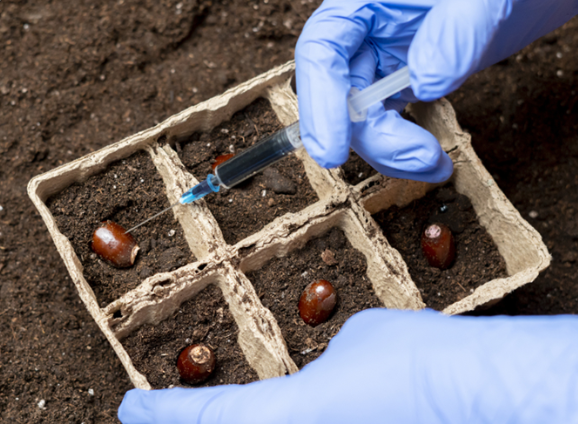
Use the secondary dilution method. Rather than pouring concentrated product directly into a full spray tank, first mix the fungicide with a small amount of water to create a slurry, then add that mixture to the tank while agitation continues. This prevents concentration hot spots and ensures uniform distribution throughout the spray solution.
Time applications preventively, not reactively. The most common mistake in fungicide use is waiting until disease symptoms are widespread. By that point, the infection is well-established and yield potential has already been compromised. Protective applications should be guided by crop growth stage and weather conditions — particularly warm, humid periods that favor fungal development — rather than by what is visible in the field.
Prioritize coverage. Fungal spores are microscopic, and even small gaps in coverage create entry points. Nozzle type, spray volume, water volume per hectare, and travel speed all influence how thoroughly the product reaches its target. For crops with dense canopies, consider drop nozzles or directed spraying to reach lower leaves and stems where humidity is highest.
Fungicide Resistance Management: Protecting the Products You Depend On
Fungicide resistance is a quiet problem — it builds gradually across seasons, often going unnoticed until a product simply stops working. The Fungicide Resistance Action Committee defines resistance as "an acquired, heritable reduction in sensitivity of a fungus to a specific anti-fungal agent". Once resistance develops in a local pathogen population, that chemistry may be lost for years — not just for one grower, but for the entire region.
The most practical tool available to growers is the FRAC code system, which classifies fungicides by their mode of action. Products sharing the same FRAC code attack the pathogen at the same biochemical target. Repeated use of the same FRAC group — even if the brand name changes — increases selection pressure for resistant individuals. As a general guideline, limit the use of any single FRAC code to no more than two or three applications per season, and never apply the same group twice in a row.
Effective rotation means switching between entirely different FRAC groups — for example, following a Group 11 (strobilurin) application with a Group M1 (copper) application. Fungicide mixtures — products that combine two or more active ingredients from different FRAC groups in a single formulation — offer another layer of protection by exposing the pathogen population to multiple modes of action simultaneously.
Beyond chemistry, integrated disease management practices reduce the overall need for fungicide applications. Resistant cultivars, crop rotation, adequate plant spacing for airflow, and field sanitation all lower disease pressure at the source. When the pathogen population is smaller and slower to build, every fungicide application works better and lasts longer.
Building a Program That Works for Your Farm
There is no universal fungicide program that fits every farm, crop, and climate. But effective programs tend to share a common structure:
A protectant foundation — usually a multi-site fungicide like copper or captan applied preventively based on crop stage and weather, not symptoms.
Systemic support deployed during periods of active disease pressure or when conditions are highly favorable for infection.
FRAC-conscious rotation that alternates between unrelated modes of action throughout the season.
Cultural practices that reduce the starting pathogen load and slow disease progression.
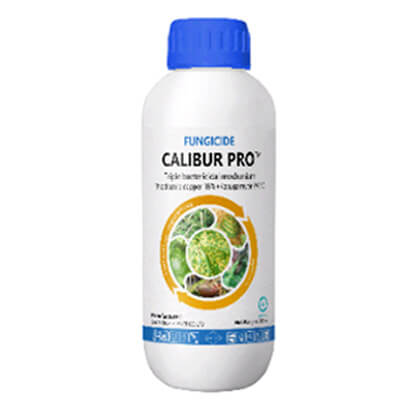
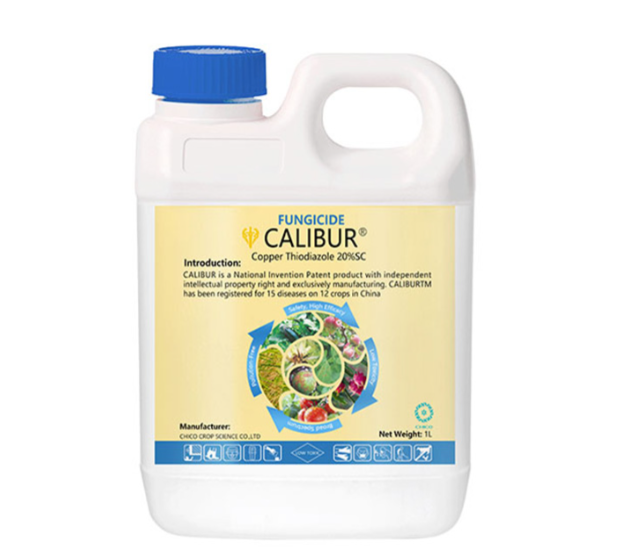
This is the philosophy reflected in the fungicide portfolio developed by Chico Crop Science. The range includes copper-based formulations like Calibur® (thiodiazole copper 20% SC), which combines the multi-site reliability of copper with a thiadiazole group for systemic and conductive activity — registered for 17 diseases across 14 crops. Calibur Pro® extends this concept further by adding kasugamycin (2%) to thiodiazole copper (18%) for stronger bactericidal activity against diseases like bacterial angular leaf spot, bacterial wilt, and canker across vegetables, rice, and fruit trees.
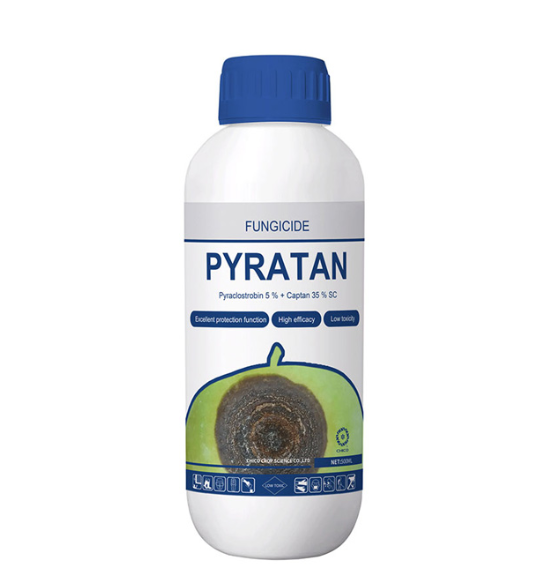
For situations where a mixed protectant-systemic approach is needed, Pyratan® pairs captan (35%) — a multi-site protectant from FRAC group M4 — with pyraclostrobin (5%), a systemic strobilurin from FRAC group 11 that also delivers physiological benefits including delayed senescence and improved stress tolerance. Cypa® (cymoxanil 14% + propamocarb 14% WP) targets oomycete diseases like late blight and downy mildew with two systemic modes of action in a single formulation. And Vihitor® (moroxydine hydrochloride 10% + copper acetate 10% WP) addresses an often-overlooked challenge — viral diseases in tomatoes, peppers, tobacco, and bananas — through a combination of antiviral and copper-based protective activity.
The common thread across all of these products is intentional formulation: combining complementary modes of action to improve efficacy while managing resistance risk, rather than relying on a single active ingredient to do all the work.
Chemical fungicides remain essential to modern agriculture — not because they are the only tool available, but because they are one of the most effective and reliable tools when used correctly. The key is not simply having access to the right products, but understanding when to apply them, how to rotate them, and what role each one plays in a broader disease management strategy.
Frequently Asked Questions
Q: Are chemical fungicides safe to use on food crops?
Yes, when used according to label instructions. Chemical fungicides undergo rigorous regulatory evaluation — including toxicology studies, residue trials, and environmental fate assessments — before receiving registration. Adhering to the specified pre-harvest interval (PHI) and application rate ensures that residues remain within established safety limits at harvest.
Q: How can I prevent fungicide resistance from developing on my farm?
The most effective approach combines three practices: rotate between fungicides with different FRAC codes (never apply the same group consecutively), use multi-site fungicides like copper or captan as the foundation of your program, and incorporate cultural controls — crop rotation, resistant varieties, and field sanitation — to reduce overall disease pressure. Fewer fungicide applications mean less selection pressure for resistance.
Q: Can I mix copper fungicides with systemic fungicides in the same tank?
In many cases, yes — and doing so is a recommended resistance management practice. A copper-based protectant provides broad-spectrum coverage while the systemic partner delivers curative and translaminar activity. However, always check product labels for compatibility information, perform a jar test before mixing unfamiliar combinations, and be mindful of pH sensitivity, as some systemic fungicides degrade in highly alkaline or acidic tank mixes.
References
1. Savary, S., Willocquet, L., Pethybridge, S.J. et al. The global burden of pathogens and pests on major food crops. Nature Ecology & Evolution 3, 430–439 (2019).
https://www.nature.com/articles/s41559-018-0793-y
2. University of California Statewide Integrated Pest Management Program (UC IPM) — Fungicide Timing and Application Guidelines
https://www2.ipm.ucanr.edu/agriculture/
3. Encyclopædia Britannica — Fungicide (Chemical Compound)
https://www.britannica.com/science/fungicide
4. PubMed (National Library of Medicine) — Protective vs. Curative Fungicide Application: A Review of Efficacy in Field Crops
https://pubmed.ncbi.nlm.nih.gov/
References
Related Agrochemical Products
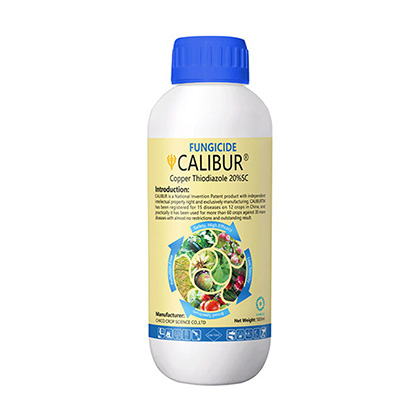
CALIBUR® Thiodiazole Copper 20% SC Fungicide
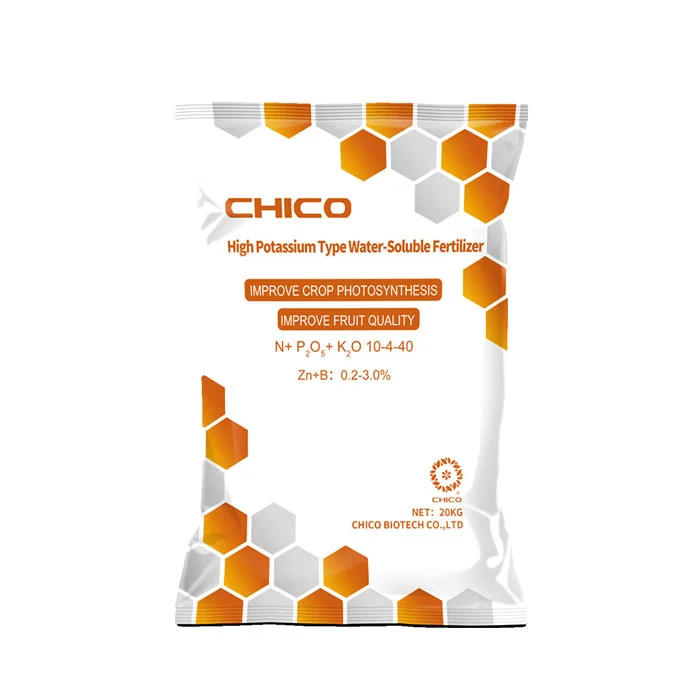
CHICO® High Potassium Type Water-Soluble
CHICO AMICA® Amino Acid TE Mixed Organic Fertilizer
DIPRO® Difenoconazole 150g/L+Propiconazole 150g/L 300g/L EC Fungicide
ELEMI® Emamectin Benzoate 5%+ Indoxacarb 15% 20% SC Insecticide

CHLOROS® Chlorantraniliprole 10% + Chlorfenapyr 20 % SC Insecticide
COMBI® Atrazine 22.5%+Fluroxypyr 5%+Nicosulfuron 2.5% 30%OD Herbicide
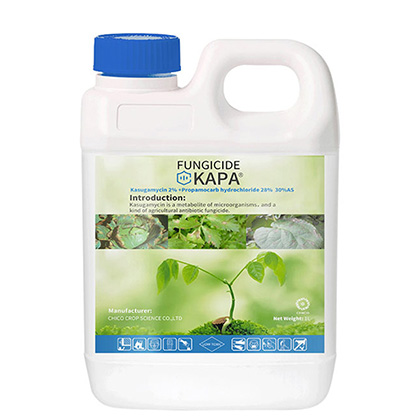
KAPA® Kasugamycin 2%+Propamocarb Hydrochloride 28% 30% AS Fungicide
Other Argo Chemical News
-
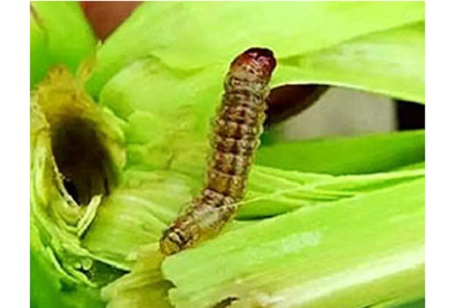 Jan.22.2025 BlogHow to Properly Use Emamectin Benzoate 5?
 -
-
-
-

-