



How to Effectively Control Weeds in Corn Fields: Modern Herbicide Solutions for Farmers
Apr.21.2026
Table of Content
[Hide]
Introduction
Weed infestation is one of the most persistent challenges in corn production worldwide. Weeds compete with corn plants for essential resources such as nutrients, sunlight, and water, often leading to significant yield reduction if not properly managed. According to agricultural research, uncontrolled weed growth can reduce corn yields by 30% or more, depending on weed density and growth stage (FAO data and extension research summaries).
Effective weed control is therefore not only a matter of productivity but also a core component of sustainable crop management. Modern agricultural systems increasingly rely on integrated herbicide strategies combined with agronomic practices to ensure stable yields and reduce labor costs.
In this article, we explore practical and science-based approaches to corn weed control, focusing on herbicide selection, timing, and application strategies.
What is a Herbicide?
A herbicide is a chemical substance used to control or eliminate unwanted plants (weeds) without significantly harming the target crop when applied correctly.
Herbicides are widely used in modern agriculture due to their efficiency, scalability, and ability to support large-scale food production.
Why Weed Control in Corn Fields Is So Important
Corn is highly sensitive to early-stage competition. Studies from agricultural extension systems show that weed interference during the first 3–6 weeks after emergence has the most significant impact on final yield.
Key problems caused by weeds:
Reduced nutrient uptake efficiency
Lower soil moisture availability
Shading of young corn seedlings
Increased pest and disease pressure
Harvest difficulty and contamination risk
Yield impact overview
| Weed Pressure Level | Estimated Yield Loss (Corn) | Source Type |
| Low infestation | 5–10% | Extension agronomy reports |
| Moderate infestation | 10–20% | USDA agronomy studies |
| Severe infestation | 20–30%+ | FAO agricultural summaries |
Types of Weeds in Corn Fields
Corn fields typically contain a mix of:
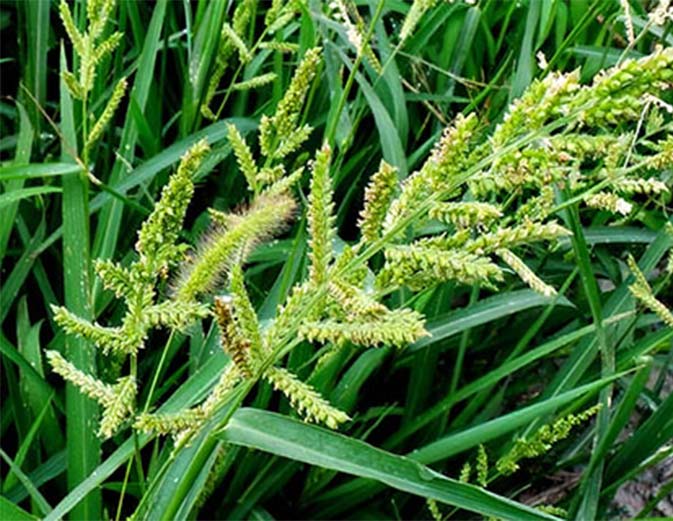
1. Annual grasses
Examples: crabgrass, foxtail
Fast germination
Compete heavily in early stages
2. Broadleaf weeds
Examples: pigweed, lambsquarters
Strong nutrient competition
Difficult to control once mature
3. Perennial weeds
Examples: nutsedge
Deep root systems
Require integrated control approaches
Modern Weed Control Strategy in Corn Production
Effective weed management is not based on a single method but rather an integrated system combining:
Pre-emergence control
Post-emergence control
Mechanical practices
Resistance management strategies
Weed management workflow
| Stage | Strategy | Objective |
| Pre-planting | Soil preparation + residual herbicides | Reduce early weed pressure |
| Early emergence | Selective herbicide application | Protect young corn |
| Mid-season | Targeted post-emergence spraying | Control late weeds |
| Late season | Field sanitation | Prevent seed bank buildup |
Herbicide Selection in Corn Fields
Choosing the correct herbicide depends on weed species, crop stage, and environmental conditions.
Pre-emergence herbicides
These are applied before weeds emerge. They form a chemical barrier in the soil.
Effective for early weed suppression
Reduce competition during germination stage
A commonly used example in rice-corn rotation systems is pretilachlor herbicide, which is often applied in flooded or semi-aquatic crop systems to control early-stage weeds effectively in specific agronomic environments.
Post-emergence herbicides
These are applied after weeds have emerged.
Require precise timing
More dependent on weed growth stage
Often selective to avoid crop damage
A widely studied example is metamifop herbicide, which is used for selective grass weed control in certain crop systems, particularly where grass weeds dominate.
Herbicide Application Best Practices
Proper application is as important as herbicide selection.
Key factors influencing effectiveness:
Spray timing (early stage weeds are easier to control)
Weather conditions (wind, rainfall, temperature)
Spray droplet size
Equipment calibration
Weed leaf stage sensitivity
Herbicide application quality factors
| Factor | Optimal Condition | Impact on Control |
| Temperature | 15–30°C | High absorption efficiency |
| Wind speed | <10 km/h | Reduces drift |
| Weed stage | 2–4 leaf stage | Maximum sensitivity |
| Soil moisture | Moderate | Enhances uptake |
Herbicide Resistance: A Growing Challenge
One of the biggest modern challenges in weed management is herbicide resistance.
According to Weed Science Society reports:
Over 500 confirmed resistant weed biotypes exist globally
Resistance develops due to repeated use of single-mode-of-action herbicides
Resistance prevention strategies:
Rotate herbicide modes of action
Use tank mixtures
Combine chemical + mechanical control
Avoid repeated overuse of one herbicide type
Integrated Weed Management (IWM) Approach
Modern agriculture is shifting toward Integrated Weed Management.
Components of IWM:
Chemical control (herbicides)
Cultural practices (crop rotation)
Mechanical weeding
Soil management
Monitoring and early detection
This approach reduces reliance on chemical inputs while improving long-term field sustainability.
Role of Agricultural Technology Providers
Modern weed management increasingly depends on expertise from a reliable crop science company that can provide:
Herbicide formulation support
Application guidance
Resistance management strategies
Crop-specific solutions
Companies in this field contribute to bridging the gap between laboratory research and real-world agricultural application.
Environmental Considerations
Responsible herbicide use is essential for environmental safety.
Key principles include:
Avoid over-application
Prevent runoff into water systems
Follow label safety guidelines
Use precision spraying techniques
Sustainable weed management ensures both productivity and ecological balance.
Future Trends in Corn Weed Management
The future of weed control is moving toward:
Precision agriculture (GPS-guided spraying)
AI-based weed detection
Reduced chemical dependency systems
Bio-based herbicide alternatives
Integrated digital farm monitoring
These innovations aim to improve efficiency while minimizing environmental impact.
Conclusion
Weed control in corn fields is essential for maintaining yield stability and production efficiency. Modern strategies combine selective herbicides, precise application timing, and integrated weed management practices to achieve optimal results. Understanding weed biology and using herbicides responsibly can significantly reduce crop losses while supporting sustainable agriculture. As farming systems continue to evolve, integrated and data-driven approaches will play an increasingly important role in improving weed control efficiency and long-term soil health.
FAQ
1. What is the best time to apply herbicide in corn fields?
The best time is usually early post-emergence when weeds are at the 2–4 leaf stage for maximum effectiveness.
2. Can herbicides completely eliminate weeds?
No. Herbicides reduce weed pressure significantly but must be combined with other practices like crop rotation and mechanical control.
3. How do herbicides affect corn crops?
Selective herbicides are designed to target weeds without harming corn when applied correctly.
4. What causes herbicide resistance?
Repeated use of the same herbicide mode of action leads to weed adaptation and resistance development.
5. Is herbicide use safe for the environment?
When used according to guidelines, herbicides can be safe, but improper use may lead to environmental risks.
References
1. Food and Agriculture Organization (FAO) – Crop Losses and Weed Impact Reports
2. United States Department of Agriculture (USDA) – Weed Management in Corn Systems
3. Weed Science Society of America (WSSA) – Herbicide Resistance Information
4. Encyclopedia Britannica – Herbicide Definition and Usage
https://www.britannica.com/science/herbicide
5. Iowa State University Extension and Outreach – Corn Weed Management Guides
References
Related Agrochemical Products

VIHITOR® Moroxydine hydrochloride 10 % + Copper acetate 10 % WP Fungicide
SUNNY® Abamectin 2%+Fosthiazate 13% 15%GR Insecticide
CHICO SEAKING® Liquid Seaweed Extract Organic Fertilizer
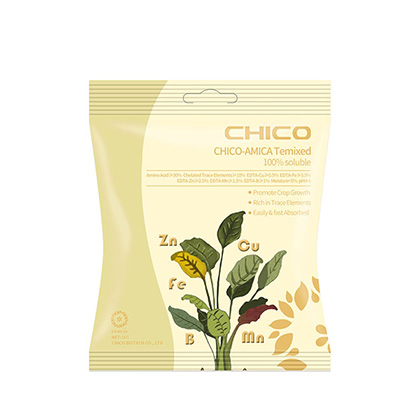
CHICO AMICA® Amino Acid TE Mixed Organic Fertilizer
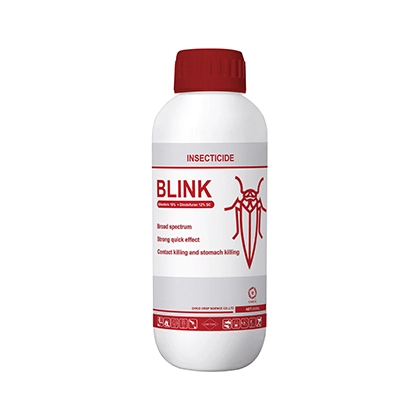
BLINK® Bifenthrin 18% + Dinotefuran 12% SC Insecticide
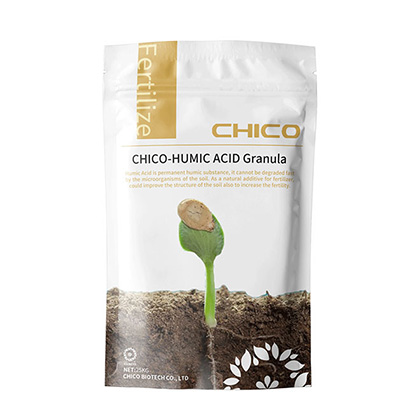
CHICO HUMIC ACID® Granula Organic Fertilizer
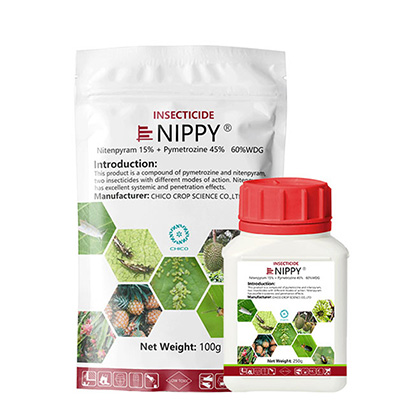
NIPPY® Nitenpyram 20%+Pymetrozine 60% 80%WP Insecticide
CALIBUR® Thiodiazole Copper 20% SC Fungicide