






Why Does the Same Biofertilizer Perform Differently in the Field?
Jul.08.2026
Table of Content
[Hide]
Biofertilizers in agriculture are becoming increasingly important in sustainable agriculture because they help improve nutrient availability, soil health and plant growth through beneficial microorganisms. However, many growers experience a common situation: the same biofertilizer produces different results in different fields.
This does not always indicate a problem with product quality. Unlike conventional fertilizers that mainly provide nutrients directly, biofertilizers rely on living microorganisms interacting with plant roots, soil conditions and existing microbial communities. This makes biofertilizers in organic farming an important approach for improving soil biological activity and supporting sustainable crop production. Their performance depends on factors such as microbial viability, soil environment, storage conditions and application methods.
Understanding these factors can help growers choose suitable products and achieve more consistent field results.
Microbial Viability Determines Biofertilizer Performance
The effectiveness of a biofertilizer starts with whether the microorganisms remain active from production to field application.
Beneficial microorganisms such as nitrogen-fixing bacteria, phosphate-solubilizing bacteria and arbuscular mycorrhizal fungi all have different functions. Their activity depends not only on the number of microorganisms contained in the product but also on strain characteristics, formulation stability and environmental adaptability.
For example, bacterial products are often evaluated by viable counts such as CFU, while fungal products may use indicators such as spores or propagules. These measurements cannot always be directly compared because different microorganisms perform different biological functions.
When selecting a microbial fertilizer, growers should consider:
What microorganisms or strains are included;
Whether the microbial activity is guaranteed throughout shelf life;
Whether the strain matches the crop and production goal;
Whether the formulation is suitable for the intended application method.
A product with more microorganisms does not necessarily deliver better results. The right microorganism for the right agricultural condition is more important.
Soil Conditions Affect Microbial Establishment
After application, microorganisms must survive and interact with the soil ecosystem. Soil conditions strongly influence whether beneficial microbes can establish around plant roots.
Key factors include:
Soil pH
Different microorganisms perform best within specific pH ranges. Extreme acidic or alkaline conditions may reduce microbial activity and affect nutrient availability.
Soil Moisture
Beneficial microorganisms need suitable moisture conditions to move through soil and colonize the root zone. Dry conditions may limit microbial activity, while excessive water can create unfavorable environments for some species.
Temperature and Organic Matter
Temperature affects microbial metabolism, while organic matter provides energy sources that support microbial activity. A biofertilizer may show stronger results in soils with poor biological activity than in highly fertile soils where nutrient limitations are already low.
Unlike chemical fertilizers, biofertilizers rely on living microorganisms to improve nutrient availability through biological processes. Understanding the differences between biofertilizers and chemical fertilizers helps growers choose the right solution for different agricultural conditions.
Crop Compatibility and Microbial Function Matter
Different biofertilizers are designed for different agricultural purposes.
| Microbial Type | Main Function | Important Consideration |
|---|---|---|
| Nitrogen-fixing bacteria | Support nitrogen availability | Crop compatibility and soil conditions |
| Phosphate-solubilizing microorganisms | Improve phosphorus availability | Soil phosphorus status and pH |
| Arbuscular mycorrhizal fungi | Improve root nutrient and water absorption | Root colonization ability |
| Microbial consortia | Provide multiple biological functions | Compatibility between strains |
For example, arbuscular mycorrhizal products focus on establishing beneficial relationships with plant roots, while bacterial biofertilizers may focus on nutrient transformation or plant growth promotion. The selection should be based on the crop requirement rather than simply comparing microorganism quantities.
Storage and Application Methods Influence Results
Because biofertilizers contain living microorganisms, storage and handling directly affect product performance.
High temperatures, direct sunlight, moisture exposure and long-term improper storage may reduce microbial activity before application. Growers should always check:
Manufacturing date and expiration date;
Recommended storage conditions;
Packaging integrity;
Application instructions.
Proper organic fertilizer application and timing are also critical. Microbial products generally perform better when they reach the active root zone under suitable moisture conditions.
Compatibility with other agricultural inputs should also be considered. Some fertilizers, fungicides or chemical treatments may affect microbial survival. Before tank mixing, growers should confirm compatibility through product information or small-scale testing.
How to Evaluate a Biofertilizer Before Purchase
Before selecting a biofertilizer product for large-scale application, buyers should evaluate more than product claims.
Important factors include:
| Evaluation Factor | Questions to Consider |
|---|---|
| Microbial identity | Are the strains or microbial groups clearly specified? |
| Product stability | Is microbial activity maintained during storage? |
| Agricultural purpose | Does the product match the crop and soil condition? |
| Application method | Is it suitable for soil, seed treatment or irrigation systems? |
| Field performance | Are there practical results under similar growing conditions? |
A reliable biofertilizer selection process combines product information, soil analysis and field testing instead of focusing on only one indicator.
Conclusion
The performance of a biofertilizer depends on the interaction between microorganisms, soil conditions, crops and application practices. Factors such as microbial viability, strain compatibility, storage stability and field management all influence whether beneficial microorganisms can successfully establish and support plant growth.
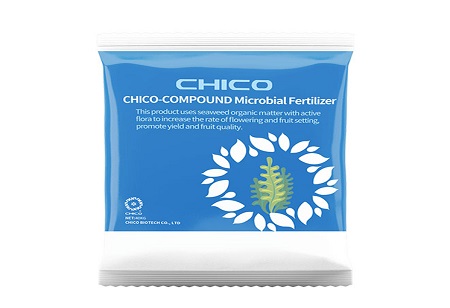
As a professional agricultural input supplier, CHICO provides a range of biological and nutritional fertilizer solutions, including microbial fertilizers, organic fertilizer products, and biofertilizer solutions such as ARPHA GOLD®, CHICO COMPOUND® and BIO EXTRA®. These products are developed to support different crop requirements and sustainable farming practices. Growers and agricultural partners can select suitable solutions based on crop type, soil conditions and production goals.
References
Related Agrochemical Products
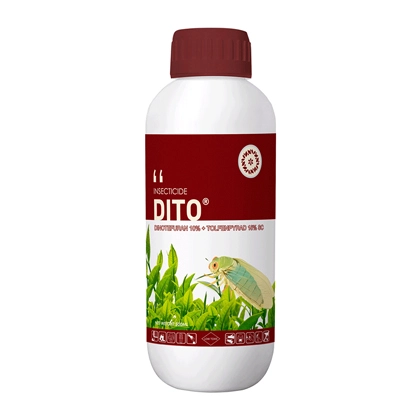
DITO® Dinotefuran 10% + Tolfenpyrad 15% SC Insecticide

BIO EXTRA® Brassinolide + Bio Organic Fertilizer
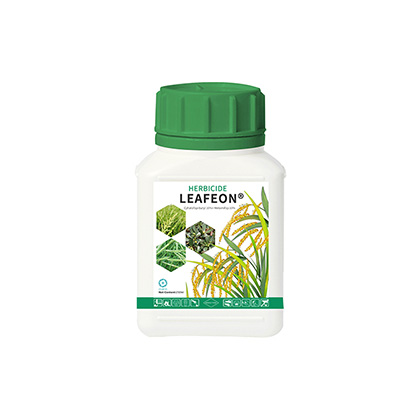
LEAFEON® Cyhalofop-butyl 10%+Metamifop 10% 20% EC Herbicide
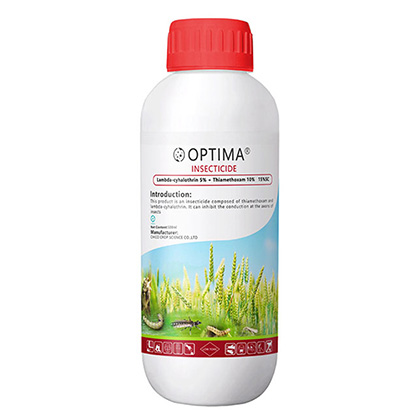
OPTIMA® Lambda-cyhalothrin 5%+Thiamethoxam 10% 15%SC Insecticide

VIHITOR® Moroxydine hydrochloride 10 % + Copper acetate 10 % WP Fungicide

CAMBRI® Chlorfenapyr 24%SC Insecticide
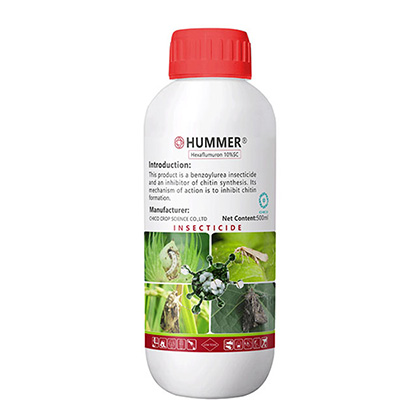
HUMMER® Hexaflumuron 5%EC Insecticide
CHOABS® Choline chloride 19.9% + (+)-Abscisic acid 0.1% SL plant growth regulator