



Organic Biostimulants: A Practical Guide to Building Crop Resilience from the Ground Up
May.14.2026
Table of Content
[Hide]
Introduction
Every farmer understands the frustration of watching a crop struggle. Leaves curl under afternoon heat. Roots stall in compacted soil. Fruit set falters after an unseasonal cold snap. For years, the standard response has been to apply more — more water, more fertilizer, more crop protection chemistry. But a different approach is gaining momentum across global agriculture, and it begins with a simple shift in thinking: rather than compensating for a stressed plant, help the plant handle the stress itself.
Organic biostimulants — natural substances and beneficial microorganisms that enhance a plant's own physiological processes — are at the center of this shift. They are not fertilizers, and they are not pesticides. Instead, they work by stimulating root growth, improving nutrient uptake efficiency, priming stress defense pathways, and fostering a healthier rhizosphere. And because organic biostimulants are derived from natural sources and produced without synthetic chemistry, they align with the growing demand for sustainable, residue-conscious crop production.
The market reflects this momentum. Global biostimulant sales reached an estimated 4.5 billion USD in 2025, with projections pointing to continued growth through the end of the decade. Behind these numbers is a practical reality: soils have been depleted by decades of intensive cultivation, weather patterns have become less predictable, and regulatory frameworks — such as the EU Fertilising Products Regulation — have created clear pathways for biostimulant products to enter mainstream farming systems.
This guide walks through what organic biostimulants actually are, how the major categories work, and what practical application looks like on a working farm. Along the way, we will connect the science to real field outcomes — because ultimately, that is what matters.
What Are Organic Biostimulants?
A biostimulant is a substance or microorganism applied to plants or soils to enhance natural processes such as nutrient uptake, stress tolerance, and overall vigor — without primarily supplying nutrients. The key word is stimulate. Where a fertilizer delivers nitrogen or phosphorus directly, a biostimulant improves the plant's ability to access and use those nutrients more efficiently.
To be considered organic, a biostimulant must be derived from natural sources and manufactured without synthetic chemical processes. Under frameworks like EU organic farming regulations, organic biostimulants must be free from chemical residues and carry appropriate certifications.
The main categories recognized in both research and commercial practice are summarized below. Each works through distinct biological mechanisms, and the best results often come from combining complementary approaches.
| Category | Source / Composition | Primary Function | Application Method(s) |
| Humic and fulvic acids | Decomposed organic matter (leonardite, peat) | Improve soil structure, nutrient availability, root development | Soil drench, fertigation |
| Seaweed extracts | Ascophyllum nodosum and other marine algae | Stimulate growth, enhance antioxidant activity, improve stress tolerance | Foliar spray, soil application |
| Protein hydrolysates / amino acids | Enzymatic hydrolysis of plant or animal proteins | Support stress recovery, stabilize cellular function, promote vegetative growth | Foliar spray, fertigation |
| Beneficial microorganisms | Mycorrhizal fungi, Bacillus spp., PGPR | Expand root nutrient reach, suppress soil-borne pathogens, improve soil health | Seed treatment, soil inoculation, root drench |
| Chitosan and oligosaccharides | Derived from chitin (crustacean shells) | Elicit plant immune responses, induce systemic resistance | Foliar spray, soil application |
Why Roots Come First: The Soil Health Connection
Ask an experienced agronomist what separates a strong yield from a disappointing one, and the answer often points below ground. Roots are the plant's interface with everything that sustains it — water, mineral nutrients, and the complex microbial community that shapes soil fertility. Yet root systems are easy to overlook precisely because they are hidden from view.
This is where arbuscular mycorrhizal fungi (AMF) become relevant. These beneficial fungi form a mutualistic symbiosis with plant roots: the fungal hyphae extend far beyond the root zone, effectively multiplying the plant's absorptive surface area by several orders of magnitude. In exchange for carbohydrates from the plant, the fungi deliver phosphorus, zinc, calcium, and other nutrients that would otherwise remain inaccessible. Research on crops such as sorghum, maize, and soybean has consistently demonstrated that mycorrhizal symbiosis significantly enhances phosphorus acquisition efficiency, particularly under nutrient-limited conditions.
Products built around this principle — such as ARPHA GOLD®, which delivers arbuscular mycorrhizal fungi directly to the root zone — are designed to establish this beneficial partnership quickly after planting. Once established, the mycorrhizal network functions as a living extension of the root system. The practical outcome is straightforward: more efficient nutrient uptake, reduced fertilizer waste, and a more resilient rhizosphere.
Humic substances complement microbial inoculants in an important way. By improving soil structure and increasing cation exchange capacity, humic and fulvic acids create an environment where roots — and the microorganisms that support them — can thrive. The combination of microbial inoculation and soil conditioning addresses both the biological and physical dimensions of soil health.
When the Weather Turns: Biostimulants for Abiotic Stress
Healthy soil is the foundation, but even the best-managed fields face stress from above. Heatwaves at flowering cause blossom drop. Drought forces stomatal closure, shutting down photosynthesis. Salinity in irrigation water disrupts osmotic balance at the cellular level. Events like these are becoming more frequent in many growing regions, and they do not wait for convenient timing.
Plants have evolved sophisticated stress-response systems, but activating them takes time — time during which damage accumulates. This is where amino acid-based biostimulants play a particularly valuable role. Compounds such as glycine, proline, and gamma-aminobutyric acid (GABA) function as compatible solutes: they stabilize cellular membranes, protect proteins from denaturation, and scavenge reactive oxygen species that cause oxidative damage. These are the same molecules plants produce naturally when under stress. Supplying them externally at critical growth stages helps the crop maintain metabolic function when conditions deteriorate.
The concept is sometimes described as "priming" — preparing the plant's defense machinery in advance so that when stress arrives, the response is faster and more robust. The approach is preventive rather than curative, and timing matters. Applications during early vegetative growth and at the transition to flowering are often the most effective windows.
Formulations such as CLIMASHIELD® are developed specifically for this purpose. Derived from natural animal proteins processed through enzymatic hydrolysis, they deliver a profile of free amino acids — including glycine, proline, and GABA — alongside alginate oligosaccharides that further activate stress signaling pathways. Trace elements chelated by amino acids enhance nutrient delivery without the antagonism that can occur with conventional mineral blends.
The result is a crop better equipped to handle heat, drought, and salinity stress — not through any single dramatic mechanism, but through the cumulative effect of supporting multiple physiological systems simultaneously.
The Nematode Challenge: Biological Approaches to an Underground Threat
No discussion of crop resilience would be complete without addressing plant-parasitic nematodes. These microscopic roundworms attack roots, disrupt water and nutrient transport, and create entry points for soil-borne diseases — all while remaining invisible to the naked eye. The economic damage is substantial and well-documented across global production systems.
For decades, chemical nematicides were the primary defense. Many of these products, however, have been restricted or phased out due to environmental and human health concerns. The result is a genuine need for effective biological alternatives that do not sacrifice efficacy.
Nature offers solutions. Certain species of Bacillus bacteria have evolved specific mechanisms for combating nematodes. Research has shown that Bacillus nematocida employs what scientists describe as a “Trojan horse” strategy: the bacterium produces spores that, once ingested by nematodes, germinate and release extracellular enzymes that dissolve nematode eggshells and cuticles. Other Bacillus species produce nematicidal proteases and induce systemic resistance in the host plant, training the plant's immune system to recognize and respond to nematode attacks.
Products such as NEMAFORCE® harness these mechanisms directly. Combining metabolites from Bacillus nematocida with chitosan — a natural biopolymer that acts as a biological elicitor — the approach delivers dual action: direct suppression of nematode populations and activation of the plant's own defense pathways. Other formulations, such as BIO-CUT®, take a complementary route by pairing amino acids with trace elements to support rapid root recovery while suppressing nematode activity through biological pathways.
The common thread across these approaches is a shift in philosophy: from treating nematodes as a problem to be chemically eradicated, to managing the soil ecosystem in ways that keep pest populations below damaging thresholds over the long term.
Making Organic Biostimulants Work in the Field
Reading about mechanisms is one thing. Translating them into field results requires attention to a few practical principles.
Timing is everything. Biostimulants are generally not rescue treatments in the way that a curative fungicide might be. They work best when applied proactively — before stress occurs, not after damage is visible. Critical windows include early vegetative growth, pre-flowering, and fruit set. Applications made during these periods give the plant time to integrate the biological signals and build physiological resilience.
Application method matters. Foliar sprays provide rapid absorption and are ideal for stress priming and recovery during active growth. Soil applications — whether through drenching, fertigation, or granular incorporation — build longer-term benefits in the rhizosphere. The choice depends on the specific product, the crop stage, and the intended outcome. For instance, mycorrhizal inoculants must reach the root zone to be effective, while amino acid sprays are most useful when absorbed through leaf tissue.
Integration is essential. Biostimulants are not a substitute for sound agronomy. They complement — but do not replace — soil testing, variety selection, proper irrigation, and integrated pest management. A mycorrhizal inoculant will not fix a waterlogged, compacted soil, and an amino acid spray will not compensate for severe macronutrient deficiencies. What biostimulants do is help the plant make the most of the resources available to it, and that makes them a powerful addition to a well-managed farming system.
Conclusion
Organic biostimulants represent something genuinely important in modern agriculture — not a silver bullet, but a rethinking of how we support crop health. By working with a plant's own biology rather than overriding it, these products address needs that conventional inputs alone cannot fully satisfy: helping crops cope with unpredictable weather, improving nutrient efficiency, rebuilding soil biology, and offering reliable options where older, high-risk agrochemical products are being phased out.
The science spans multiple disciplines — mycorrhizal symbiosis, amino acid signaling, microbial ecology, induced systemic resistance — but the principle that ties it all together is straightforward. Healthy plants are better at taking care of themselves. Biostimulants help plants access that innate capacity. In an era of climate uncertainty, tightening regulations, and growing consumer expectations, that is a capability worth understanding.
Frequently Asked Questions
1. What is the difference between a biostimulant and a fertilizer?
A fertilizer supplies essential nutrients such as nitrogen, phosphorus, or potassium directly to the plant. A biostimulant does not primarily provide nutrients. Instead, it stimulates the plant's natural processes — including nutrient uptake efficiency, root development, and stress tolerance — helping the crop make better use of the nutrients already present in the soil or supplied through a fertility program.
2. Can organic biostimulants help crops cope with drought and heat stress?
Yes. Certain exogenously applied amino acids for crops — including glycine, proline, and GABA — function as compatible solutes that protect cellular structures and scavenge harmful reactive oxygen species during stress. When applied before or during stress events, biostimulants containing these compounds support the plant's natural coping mechanisms, helping maintain photosynthetic activity and reducing yield loss.
3. How do microbial biostimulants control plant-parasitic nematodes?
Certain beneficial bacteria — including species of Bacillus — produce extracellular enzymes that degrade nematode eggshells and cuticles, directly interfering with the pest’s life cycle. Some also trigger induced systemic resistance in the plant, strengthening the crop's own defenses. This dual approach provides effective biological nematode suppression without relying on conventional chemical nematicides.
4. When is the best time to apply organic biostimulants?
The most effective applications happen before visible stress appears — typically during early vegetative growth, just prior to flowering, and at fruit set. Biostimulants work preventively, giving the plant time to absorb and respond, so they are not ideal as last-minute rescue treatments.
5. Can organic biostimulants be tank-mixed with fertilizers or crop protection products?
In most cases, yes, but compatibility varies by formulation. Always check the product label and conduct a small jar test first. Microbial inoculants, in particular, should not be mixed with strong acids, oxidizers, or undiluted chemical concentrates that could harm the living organisms.
References
Biostimulant
https://en.wikipedia.org/wiki/BiostimulantArbuscular mycorrhiza
https://en.wikipedia.org/wiki/Arbuscular_mycorrhizaRegulation (EU) 2019/1009 of the European Parliament and of the Council (EU Fertilising Products Regulation)
https://eur-lex.europa.eu/eli/reg/2019/1009/ojNiu Q, Huang X, Zhang L, et al. A Trojan horse mechanism of bacterial pathogenesis against nematodes. Science. 2010;327(5966):671-674. — PubMed
https://pubmed.ncbi.nlm.nih.gov/20133574/Food and Agriculture Organization of the United Nations — Soil biodiversity
https://www.fao.org/soils-portal/soil-biodiversity/en/Liang X, Zhang L, Natarajan SK, et al. Proline accumulation in plants: a review. Plant Signal Behav. 2015;10(12):e1087632. — PubMed Central (PMC)
https://www.ncbi.nlm.nih.gov/pmc/articles/PMC4536254/
References
Related Agrochemical Products
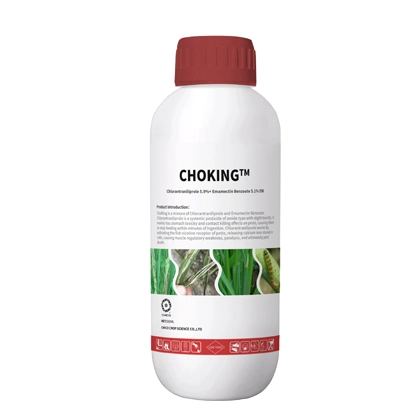
ChoKing® Chlorantraniliprole 12%+ Emamectin Benzoate 4%SC 16%SC Insecticide
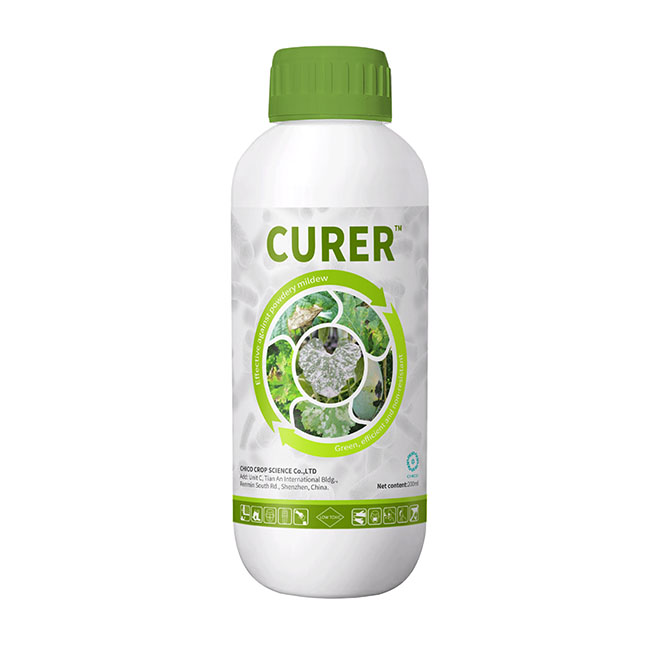
CURER® -Bio Fertilizer for Fungal Diseases
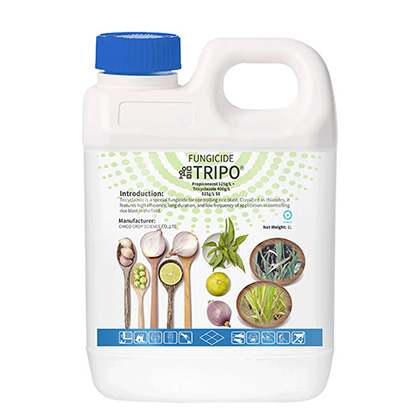
TRIPO® Propiconazole 125g/L+Tricyclazole 400g/L 525g/L SE Fungicide
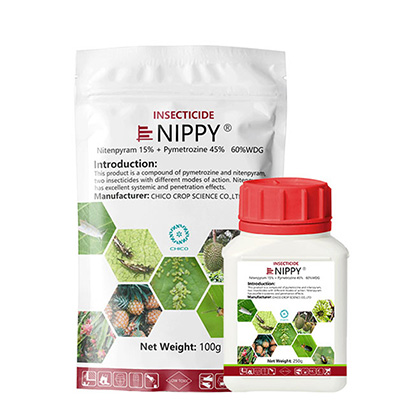
NIPPY® Nitenpyram 20%+Pymetrozine 60% 80%WP Insecticide
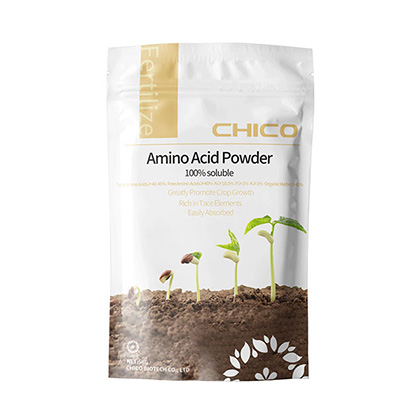
CHICO AMICA® Amino Acid Powder Organic Fertilizer
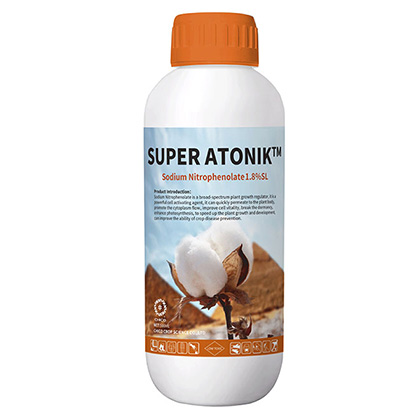
SUPER ATONIK® Sodium Nitrophenolate 1.8%SL Plant Growth Regulator
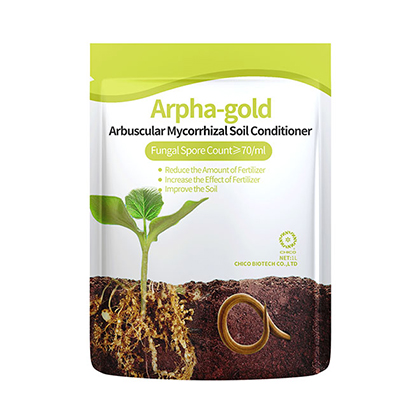
ARPHA GOLD® - Bio Arbuscular Mycorrhiza Fungal AFM Soil Conditioner

CHICO® Potassium dihydrogen phosphate