Modern crop production often focuses on macronutrients such as nitrogen (N), phosphorus (P), and potassium (K). While these nutrients are essential for plant growth, many growers overlook another critical factor: micronutrients. Even when required in small quantities, trace elements play a vital role in plant metabolism, crop quality, and overall productivity.
This is why the use of a trace elements fertilizer has become increasingly important in modern agriculture. Whether growing vegetables, fruits, grains, or specialty crops, ensuring adequate micronutrient availability can help plants reach their full genetic potential while improving resistance to environmental stress.
Why Trace Elements Fertilizer Matters for Crop Growth
A trace elements fertilizer supplies essential micronutrients that plants need for healthy development. These nutrients include:
Iron (Fe)
Zinc (Zn)
Manganese (Mn)
Boron (B)
Copper (Cu)
Molybdenum (Mo)
Chlorine (Cl)
Nickel (Ni)
Although plants require these elements in much smaller amounts than NPK nutrients, deficiencies can significantly affect growth and yield.
Key Functions of Trace Elements
Micronutrients support numerous plant processes, including:
When one or more trace elements become deficient, crop performance can decline even if macronutrient levels are sufficient.
Trace Elements Fertilizer Helps Prevent Hidden Hunger
One of the biggest challenges in crop nutrition is what agronomists often call "hidden hunger".
In this situation, crops may appear healthy but still suffer from micronutrient deficiencies that limit yield potential.
Common Deficiency Symptoms
Depending on the nutrient involved, symptoms may include:
A well-balanced trace elements fertilizer program can help prevent these issues before they impact production.
Trace Elements Fertilizer Supports Stress Tolerance
Environmental stress is becoming a growing concern for farmers worldwide.
Factors such as drought, temperature fluctuations, salinity, and pest pressure can negatively affect crop performance.
How Micronutrients Improve Plant Resilience
Certain trace elements contribute directly to plant defense mechanisms:
| Trace Element | Primary Benefit |
|---|
| Zinc | Supports enzyme activity and growth regulation |
| Boron | Improves flowering and fruit set |
| Manganese | Supports photosynthesis |
| Copper | Enhances plant defense responses |
| Iron | Essential for chlorophyll formation |
By maintaining balanced nutrition, a trace elements fertilizer can help crops better withstand challenging growing conditions.
Trace Elements Fertilizer Applications Across Different Crops
The benefits of micronutrient management extend across a wide range of agricultural systems.
Fruit and Vegetable Production
High-value crops often have significant micronutrient demands.
Trace elements can support:
Improved fruit quality
Better coloration
Increased marketability
Enhanced shelf life
Field Crops
For crops such as corn, wheat, soybean, and rice, balanced micronutrient nutrition helps optimize plant growth and nutrient-use efficiency.
Greenhouse and Protected Agriculture
Intensive production systems frequently require precise nutrient management.
Trace elements fertilizers help maintain consistent crop performance under controlled growing conditions.
Choosing the Right Trace Elements Fertilizer Strategy
Effective micronutrient management starts with understanding soil and crop requirements.
Best Practices
Conduct soil testing regularly
Monitor plant tissue nutrient levels
Apply micronutrients based on crop demand
Use balanced nutrition programs
Address deficiencies early
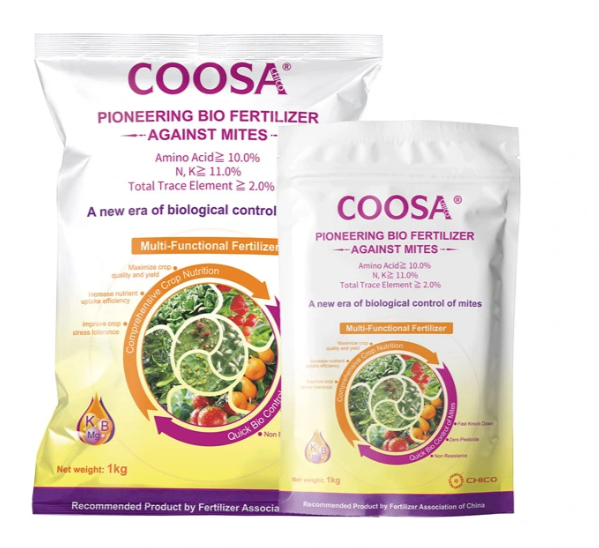
Combining trace elements with amino acid-based or biological fertilizers may also improve nutrient absorption and plant utilization efficiency.
Conclusion
While nitrogen, phosphorus, and potassium often receive the most attention, micronutrients are equally important for maximizing crop performance. A quality trace elements fertilizer helps support photosynthesis, root development, flowering, fruit production, and overall plant health.
For growers seeking higher yields, better crop quality, and improved resilience against environmental stress, integrating trace elements into a comprehensive nutrition program can be a valuable investment in long-term agricultural success.
FAQs
1. What is a trace elements fertilizer?
A trace elements fertilizer provides essential micronutrients such as zinc, iron, boron, manganese, and copper that support plant growth and development.
2. Why are trace elements important for crops?
They play key roles in photosynthesis, enzyme activity, nutrient transport, flowering, and stress resistance.
3. Can crops suffer from micronutrient deficiencies even when NPK levels are adequate?
Yes. This condition is often called hidden hunger and can reduce yield and crop quality without obvious symptoms.
4. Which crops benefit from trace elements fertilizer?
Virtually all crops can benefit, including vegetables, fruits, grains, oilseeds, and greenhouse-grown plants.
5. How can growers determine if trace elements are needed?
Soil testing, plant tissue analysis, and field observations can help identify micronutrient deficiencies and guide fertilizer decisions.
References
1.Food and Agriculture Organization (FAO) – Plant Nutrition for Sustainable Crop Production
https://www.fao.org
2.United States Department of Agriculture (USDA) – Soil and Plant Nutrient Management Resources
https://www.usda.gov
3.Natural Resources Conservation Service (NRCS) – Soil Health and Nutrient Management
https://www.nrcs.usda.gov
4.Encyclopedia Britannica – Plant Nutrition and Essential Elements
https://www.britannica.com/science/plant-nutrition
5.Cornell University College of Agriculture and Life Sciences – Micronutrients in Crop Production
https://cals.cornell.edu
6.International Fertilizer Association (IFA) – Micronutrients for Sustainable Agriculture
https://www.fertilizer.org