



How Should You Choose Agriculture Insecticide for Rice, Cotton, and Vegetable Crops?
Mar.30.2026
Table of Content
[Hide]
Choosing the right agriculture insecticide for rice, cotton, and vegetable crops depends on understanding crop-specific pest pressures, growth stages, and environmental conditions. Each crop system faces unique insect challenges, and selecting the appropriate insecticide products ensures effective control, protects yield, and maintains crop quality.
Different crops create different ecological environments, which attract distinct insect populations. A strategy that works in rice fields may not be effective in cotton or vegetable systems. Therefore, selecting insecticide products requires a crop-specific approach rather than a one-size-fits-all solution.
As agricultural production becomes more specialized, the importance of tailoring pest control strategies to individual crops continues to grow.
Agriculture Insecticide Selection in Rice Production
Rice is typically grown in flooded or semi-flooded conditions, creating a unique ecosystem that supports a wide range of insect pests.
Common Insect Pests in Rice Fields
Rice crops are frequently affected by:
Stem borers
Rice planthoppers
Leaf folders
Rice hispa
These pests damage crops by feeding on stems, leaves, or plant sap, leading to reduced tillering, poor grain filling, and lower yields.
Choosing the Right Insecticide Products for Rice
For rice systems, selecting insecticide products requires consideration of both pest behavior and water conditions.
Systemic agriculture insecticide products are effective against sap-sucking pests like planthoppers because they move within plant tissues.
Ingestion-based insecticide products are suitable for leaf-feeding pests such as leaf folders.
Because rice is often grown in waterlogged environments, product stability and persistence become important factors. Insecticides with good residual activity are generally preferred.
Application Timing in Rice Crops
Early-stage application is critical in rice cultivation. Controlling pests during tillering and early vegetative stages prevents population buildup and reduces damage during grain development.
Farmers often integrate insecticide applications with disease management strategies, ensuring that pest and disease pressures are addressed simultaneously.
Agriculture Insecticide Selection in Cotton Farming
Cotton is a high-value crop that is highly susceptible to insect damage throughout its growth cycle.
Key Cotton Pests
Common cotton pests include:
Bollworms
Aphids
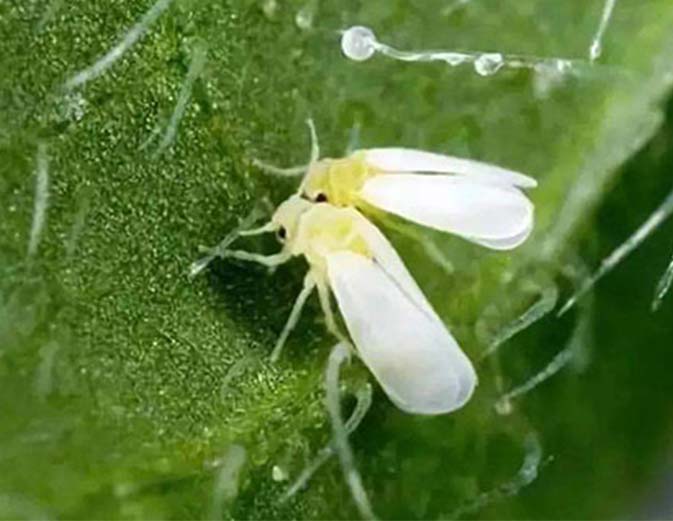
Whiteflies
Thrips
These insects can damage leaves, squares, and bolls, significantly affecting fiber quality and yield.
Matching Insecticide Products to Cotton Pest Types
Different pests require different control approaches:
Chewing pests such as bollworms respond well to ingestion-based insecticide products.
Sucking pests like aphids and whiteflies are better controlled with systemic agriculture insecticide solutions.
Chemical insecticide formulations are often used during high pest pressure periods due to their rapid effectiveness.
Managing Resistance in Cotton Systems
Cotton crops often face repeated insecticide applications, increasing the risk of resistance development.
To maintain effectiveness:
Rotate insecticide products with different modes of action
Avoid repeated use of the same chemical insecticide
Monitor pest populations regularly
This approach ensures long-term pest control efficiency and protects crop productivity.
Agriculture Insecticide Selection in Vegetable Crops
Vegetable crops are among the most sensitive to insect damage due to their high market quality requirements.
Common Pests in Vegetable Production
Vegetables are affected by a wide range of insects, including:
Aphids
Whiteflies
Caterpillars
Leaf miners
These pests not only reduce yield but also affect the appearance and marketability of produce.
Choosing Insecticide Products for Vegetables
Vegetable growers often prioritize insecticide products that provide:
Fast action to prevent visible damage
Effective control across multiple pest types
Compatibility with frequent harvest cycles
Contact insecticide products are commonly used for rapid pest knockdown, especially during active infestations.
Systemic agriculture insecticide solutions provide longer protection and are useful for managing hidden pests.
Crop Safety and Residue Considerations
Because vegetables are consumed directly, careful attention must be given to:
Application timing before harvest
Residue management
Product safety
Selecting the right insecticide ensures both pest control and compliance with food safety standards.
Key Differences Between Rice, Cotton, and Vegetable Systems
While all crops require pest control, their management strategies differ significantly.
Environmental Conditions
Rice fields involve high moisture and standing water
Cotton fields are typically dry and open
Vegetable systems vary widely depending on irrigation and climate
These conditions influence how insecticide products behave after application.
Pest Behavior
Rice pests often thrive in humid environments
Cotton pests include both chewing and sucking insects
Vegetable pests are highly diverse and fast-reproducing
Understanding pest behavior is essential for selecting effective insecticide solutions.
Crop Sensitivity
Vegetables require higher cosmetic quality, while cotton focuses on fiber quality and rice focuses on grain yield. These differences influence insecticide selection priorities.
Best Practices for Cross-Crop Insecticide Selection
Accurate Pest Monitoring
Regular field scouting ensures early detection and timely application of insecticide products.
Proper Product Rotation
Rotating different insecticide types reduces resistance risk and maintains long-term effectiveness, especially when considering different types of agrochemicals used across crop systems.
Integrated Crop Management
Combining insecticide use with other agronomic practices improves overall crop performance and sustainability.
FAQs About Agriculture Insecticide in Different Crops
Do rice, cotton, and vegetables require different insecticides?
Yes. Each crop faces different pests and environmental conditions, requiring tailored insecticide selection.
Can one insecticide product be used across multiple crops?
Some products have broad applications, but effectiveness depends on pest type and crop compatibility.
How often should insecticides be applied in vegetables?
Application frequency depends on pest pressure and crop cycle, but vegetables often require closer monitoring due to rapid pest development.
Why is resistance more common in cotton?
Frequent applications and high pest pressure increase the likelihood of resistance development.
Are systemic insecticides suitable for all crops?
They are effective in many systems but should be selected based on pest behavior and crop characteristics.
Conclusion
Selecting the right agriculture insecticide for rice, cotton, and vegetable crops requires a clear understanding of crop-specific pest pressures, environmental conditions, and growth stages.
By choosing appropriate insecticide products, applying them strategically, and integrating them into broader crop management systems, growers can effectively control pests, protect yields, and maintain crop quality across diverse agricultural systems.
References
Food and Agriculture Organization (FAO). Rice Pest Management Guidelines.
https://www.fao.org/
United States Department of Agriculture (USDA). Cotton Pest Management Practices.
https://www.usda.gov/
International Rice Research Institute (IRRI). Insect Pest Management in Rice.
https://www.irri.org/
National Pesticide Information Center (NPIC). Insecticide Use in Agriculture.
http://npic.orst.edu/
CABI Agriculture and Bioscience. Crop Pest Management Resources.
https://www.cabi.org/
References
Related Agrochemical Products
CHICO® High Potassium Type Water-Soluble
ARPHA GOLD® - Bio Arbuscular Mycorrhiza Fungal AFM Soil Conditioner
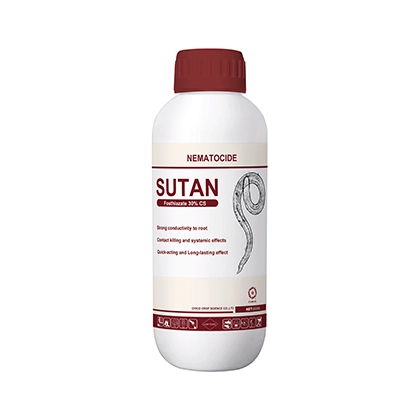
SUTAN® Fosthiazate 30% CS Nematocide
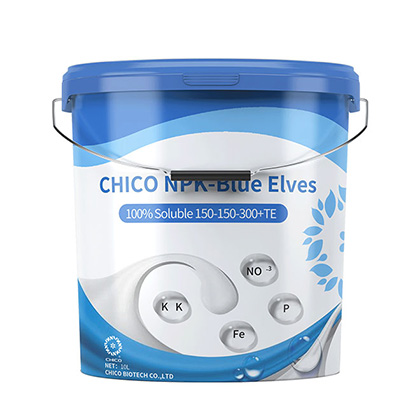
CHICO® Blue Elves NPK Liquid Compound Fertilizer

VIHITOR® Moroxydine hydrochloride 10 % + Copper acetate 10 % WP Fungicide
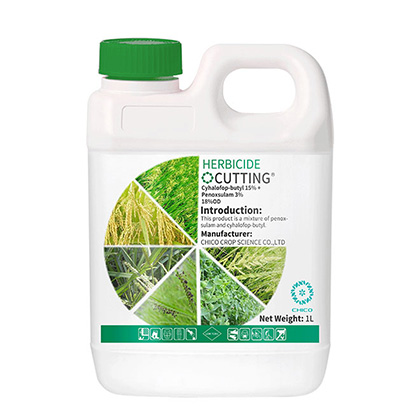
CUTTING® Cyhalofop-butyl 15%+Penoxsulam 3% 18% OD Herbicide
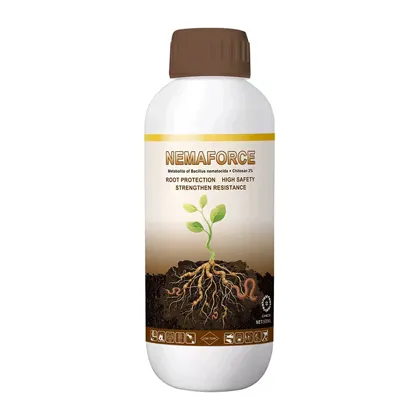
NEMAFORCE® Metabolite of Bacillus nematocida + Chitosan 2% AS
CYFA® Cymoxanil 30%+Famoxadone 22.5% 52.5% WDG Fungicide