



Soil-Borne Disease Pressure: Where Biostimulants Fit in an Integrated Root-Zone Program
Oct.06.2026
Table of Content
[Hide]
Uneven growth, weak roots, midday wilting, nutrient-deficiency symptoms, and declining yield can all appear when the root zone is under pressure. Soil-borne pathogens and root-knot nematodes are possible causes, but waterlogging, salinity, compaction, root injury, and an imbalanced fertility program can produce similar symptoms.
That overlap makes diagnosis the first step. Biostimulants may support root development, nutrient-use efficiency, or tolerance to abiotic stress, but a general biostimulant should not be presented as a fungicide or nematicide. A defensible root-zone program separates direct control from plant and soil support, then reconnects them in a planned sequence.
Why Root-Zone Problems Are Easy to Misread
Damage begins below ground, while the first visible symptoms often appear in the canopy. Compromised roots absorb water and nutrients less efficiently, so leaves may yellow or wilt even when fertilizer and irrigation are present. Continuous cropping, poor drainage, high soil temperature, compaction, and salinity can intensify the effect of pathogens or nematodes.
A field history, root examination, distribution map of affected plants, irrigation review, and laboratory diagnosis where available can help separate the main cause from secondary stress. Treating a symptom without identifying the driver often leads to repeated applications and inconsistent results.
Assign Each Program Component a Clear Job
Program Component | Primary Job | What It Does Not Replace | Decision Question |
General biostimulant | Support nutrient use, root function, or abiotic-stress tolerance | Diagnosis or direct pathogen control | Which crop function needs support? |
Microbial or metabolite-based input | Provide formulation-specific rhizosphere or biological activity | Every fungicide or nematicide use | What organism or metabolite is present, and what evidence supports the use? |
Registered control product | Target a defined pathogen, disease, or nematode | Drainage, sanitation, or soil management | Is the product approved for this crop and target? |
Agronomic practice | Reduce the conditions that drive recurrence | A needed treatment during active pressure | Which field condition keeps recreating the problem? |
Build the Program from Diagnosis to Follow-Up
1. Identify the dominant pressure: pathogen, nematode, waterlogging, salinity, compaction, nutrient imbalance, or a combination.
2. Correct avoidable root-zone conditions, including drainage, irrigation distribution, compaction, sanitation, and crop rotation where practical.
3. Select locally registered direct-control measures when a defined disease or nematode requires control.
4. Add root-health or rhizosphere support only for a defined objective, such as establishment, nutrient uptake, or recovery.
5. Check application sequence and compatibility, especially when living microbial products and fungicides are used in the same program.
6. Measure disease incidence, root condition, stand uniformity, crop response, yield, and quality rather than relying on one visual symptom.
How CHICO's Biological Products Can Be Positioned
CHICO's current pages describe CONQUER® as a microbial biofertilizer for soil-borne problems and CURER® as a microbial biofertilizer positioned for fungal disease management. Both pages list a viable count of at least 2.0 x 10^8 CFU/mL. These are formulation-specific products, not evidence that all microbial fertilizers or biostimulants have the same function.
For distributors, the key question is how each product will be classified and registered in the target market. Where direct disease-control claims trigger a plant-protection registration, the local approved label must govern the claim, crop, target, rate, and application method. Where the permitted positioning is root or rhizosphere support, marketing language should remain within that function.
Do Not Treat Root Support as a Rescue Claim
Supportive products cannot reverse dead tissue or replace direct control when disease pressure is high. Their value is more realistically assessed through establishment, new-root activity, nutrient status, crop uniformity, and recovery after the causal pressure has been addressed.
This distinction protects technical credibility. It also helps sales and field teams explain why a root-zone solution is a program: the direct treatment manages the target, while agronomy and plant-support inputs help improve the environment and the crop's ability to function.
Conclusion
Biostimulants can have a useful role under soil-borne disease pressure, but that role must be defined correctly. Start with diagnosis, use registered measures for direct control, correct recurring field conditions, and add root or rhizosphere support for a measurable purpose.
For a crop-specific biological program, contact CHICO with the crop, symptoms, field history, irrigation system, suspected target, and current inputs.
FAQs
Can a general biostimulant cure a soil-borne disease?
It should not be assumed to do so. Direct disease-control claims depend on the exact product, evidence, registration, and local label. A general biostimulant should be used for its defined support function.
Why does root health matter during disease pressure?
Damaged roots use water and nutrients less efficiently. Supporting active root growth and improving root-zone conditions can help the crop maintain function while direct management addresses the causal organism.
Can microbial products be used with fungicides?
Sometimes, but compatibility is product-specific. A fungicide may reduce microbial viability, so confirm technical guidance or separate the applications when evidence is incomplete.
References
Related Agrochemical Products
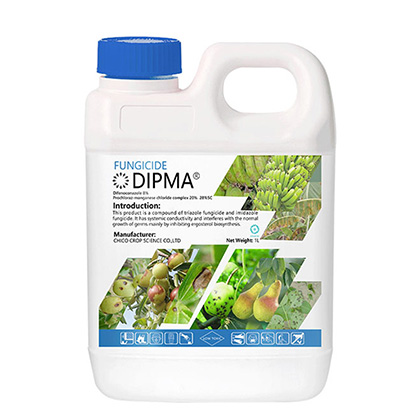
DIPMA® Difenoconazole 8%+Prochloraz-manganese Chloride Complex 20% 28% SC Fungicide
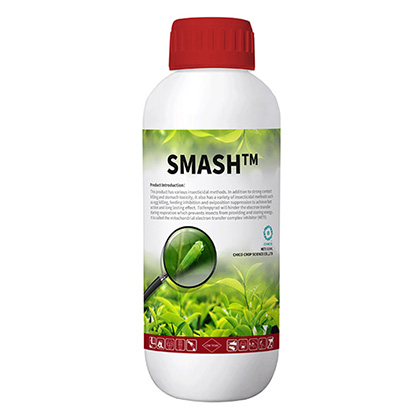
SMASH® Emamectin Benzoate 2%+Tolfenpyrad 10% Insecticide
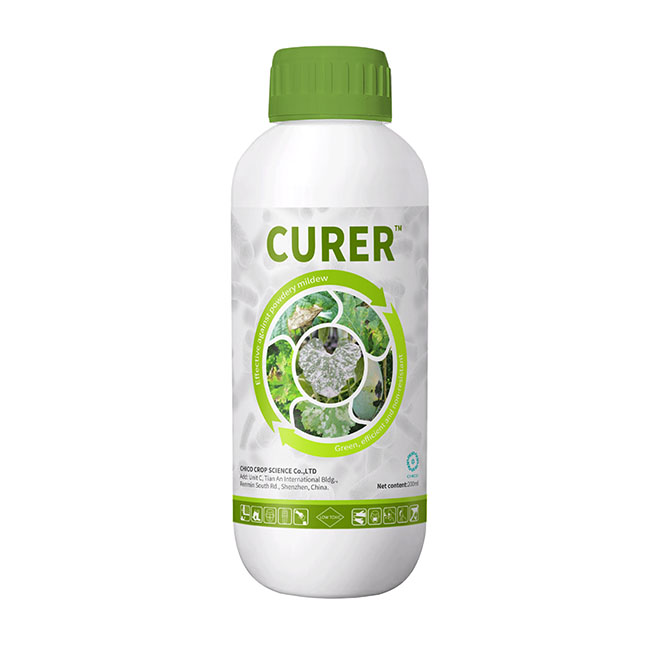
CURER® -Bio Fertilizer for Fungal Diseases
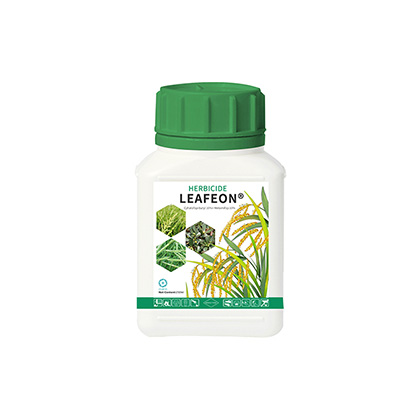
LEAFEON® Cyhalofop-butyl 10%+Metamifop 10% 20% EC Herbicide
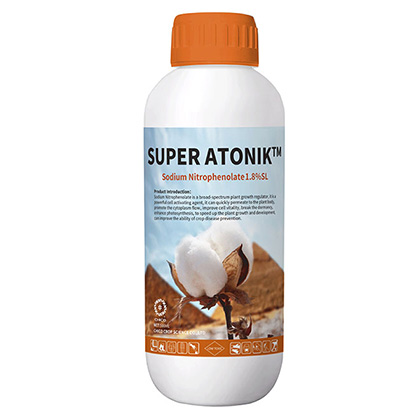
SUPER ATONIK® Sodium Nitrophenolate 1.8%SL Plant Growth Regulator
CYMA® Cyazofamid 10%+Cymoxanil 50% 60% WDG Fungicide
DINAZO® Azoxystrobin 20%+Difenoconazole 12.5% 32.5%SC Fungicide
GLOFOME® Fomesafen 16% + Quizalofop-P-ethyl 6% 22%EC Herbicide
Other Argo Chemical News
-
-

-
-
 Jan.13.2025 BlogIntroduction to Cyhalofop-Butyl
 -
-