




How Do Biostimulants Improve Crop Yield Under Climate Stress Conditions?
Feb.28.2026
Table of Content
[Hide]
Biostimulants improve crop yield under climate stress conditions by activating plant defense mechanisms, enhancing physiological efficiency, stabilizing flowering and fruit development, and strengthening root-soil interactions. Rather than forcing growth, they help plants adapt, recover, and maintain productivity when exposed to drought, salinity, temperature extremes, or irregular rainfall.
Agriculture today operates in an era of uncertainty. Heat waves arrive earlier, rainfall patterns shift unpredictably, and soil salinity expands in irrigated regions. Even well-managed farms face yield instability caused by abiotic stress. In this context, plant biostimulants are increasingly used not merely as growth enhancers but as resilience tools designed to support crop performance when environmental pressure intensifies.
Understanding Climate Stress in Crop Production
Climate stress affects plants at multiple levels. High temperatures disrupt enzyme activity. Drought limits nutrient transport. Salinity alters osmotic balance. Cold spells interfere with flowering and pollination.
When crops experience stress, they redirect energy from growth toward survival. This shift reduces biomass accumulation, limits reproductive development, and ultimately lowers yield potential.
In many intensive production systems, growers attempt to mitigate losses using corrective measures such as irrigation adjustments, targeted nutrition, or crop protection strategies. For example, rice producers managing blast outbreaks may apply tricyclazole fungicide during high humidity periods. While such measures are important, strengthening the plant’s internal stress tolerance provides a complementary layer of stability.
Physiological Mechanisms Behind Biostimulant Action
Biostimulants in agriculture function by influencing internal plant processes rather than directly supplying large quantities of nutrients.
Regulation of Oxidative Stress
Environmental stress leads to the accumulation of reactive oxygen species within plant cells. Excessive oxidative damage harms membranes, chloroplasts, and proteins.
Certain plant biostimulants stimulate antioxidant enzyme systems such as superoxide dismutase and catalase. This reduces cellular damage and helps maintain photosynthetic efficiency under stress.
Stabilization of Photosynthesis
Heat and drought frequently disrupt chlorophyll function and carbon assimilation. Some amino acid liquid fertilizer formulations support metabolic pathways involved in chlorophyll stability and energy transfer.
By protecting photosynthetic capacity, crops maintain higher biomass production even during moderate stress exposure.
Improved Osmotic Balance
Salinity and drought alter water movement across cell membranes. Biostimulants can enhance osmolyte accumulation, helping plants regulate internal water balance and sustain turgor pressure.
This effect is particularly valuable in vegetable crops where consistent fruit sizing depends on stable water relations.
Yield Stability in Major Crop Systems
Cereal Production
Cereal crops are highly sensitive to stress during tillering and grain filling stages. When nutrient programs rely on npk soluble fertilizer through fertigation systems, integrating biostimulant applications can improve nutrient assimilation during periods of limited root activity.
In paddy systems, where fertilizer for rice must function efficiently under submerged conditions, improved root vigor supports nutrient uptake despite fluctuating oxygen levels.
Horticultural Crops
Fruit and vegetable growers face market demands for uniform size and appearance. Under heat stress, flowering and fruit set often decline.
Amino acid fertilizer for plants is frequently applied during flowering to support reproductive development. Research and field observations suggest that amino acid fertilizer benefits are most evident when environmental stress threatens pollination success.
In crops like eggplant, where pest pressure may require interventions such as eggplant insecticide programs, maintaining plant vigor through biostimulant support improves recovery and canopy density.
Perennial Crops
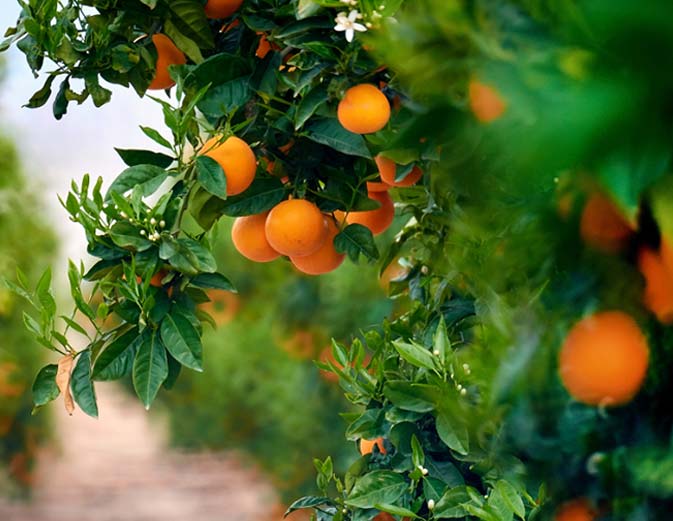
Citrus and orchard systems experience cumulative stress across seasons. Growers managing disease with fungicide for citrus trees often incorporate biostimulant strategies to maintain leaf health and root vitality between protection cycles.
Long-term soil improvement is especially important in perennial systems, where humic acid organic fertilizer can enhance soil aggregation and water retention capacity.
Interaction with Soil Microbiology
Healthy soils moderate climate stress by storing water and buffering nutrient fluctuations. Biostimulants contribute to this buffering effect.
Microbial Stimulation
Beneficial microorganisms improve nutrient cycling and root surface expansion. Commercial interest in arbuscular mycorrhizal fungi for sale has increased as growers recognize the role of symbiotic fungi in improving phosphorus uptake and drought tolerance.
Enhanced Root-Soil Interface
Humic substances influence root membrane permeability and microbial colonization patterns. This interaction strengthens nutrient exchange efficiency and improves resilience during dry periods.
In fields where input costs fluctuate — including concerns about herbicide price variability — improving soil biological function provides a stabilizing agronomic advantage.
Timing and Application Under Stress Conditions
The effectiveness of biostimulants depends heavily on timing relative to stress events.
Pre-Stress Application
Applying biostimulants before anticipated stress conditions — such as forecasted heat waves — can prime plant defense responses. This preparatory effect enhances tolerance when stress occurs.
Post-Stress Recovery
After extreme events, crops often struggle to resume normal growth. Amino acid fertilizer products are sometimes used to support metabolic recovery and reactivation of vegetative growth.
Repeated low-dose applications throughout the growth cycle may produce more consistent resilience than single high-rate treatments.
Economic Considerations and Long-Term Value
Growers evaluate any input based on return on investment. Biostimulants rarely function as emergency solutions; their value lies in risk reduction and yield stability.
In seasons with minimal stress, yield differences may be moderate. However, under adverse conditions, improved stress tolerance can prevent significant yield losses.
In cotton systems, where growers may already allocate budget toward fungicide for cotton crop applications during humid seasons, biostimulant integration can reduce variability in boll retention and fiber quality.
Similarly, rice farmers applying blast fungicide during disease outbreaks may observe improved crop uniformity when stress resilience strategies are implemented alongside protection measures.
Environmental Implications
Reducing Nutrient Loss
Enhanced nutrient uptake efficiency lowers the likelihood of nutrient runoff and groundwater contamination.
Lower Carbon Footprint
By improving plant metabolic efficiency, biostimulants indirectly reduce the need for corrective fertilizer applications, contributing to lower greenhouse gas emissions associated with nitrogen loss.
Soil Regeneration
Continuous integration of biological stimulants improves soil organic matter dynamics and microbial diversity, supporting long-term sustainability goals.
Frequently Asked Questions
1. Can biostimulants prevent yield loss during drought?
They cannot eliminate drought impact entirely, but they can improve plant tolerance and recovery capacity, reducing the severity of yield reduction.
2. Are biostimulants compatible with crop protection programs?
Yes, compatibility depends on formulation, but they are commonly integrated alongside standard agronomic inputs.
3. Do biostimulants replace fertilizers?
No. They enhance nutrient efficiency but do not substitute for essential nutrient supply.
4. How soon can results be observed?
Some physiological improvements may be visible within weeks, but consistent yield stability benefits are typically observed over multiple growing cycles.
5. Are microbial biostimulants effective in all soils?
Effectiveness varies depending on soil conditions, microbial compatibility, and management practices.
Conclusion
Climate variability is redefining agricultural risk. Yield performance increasingly depends not only on nutrient supply and pest control, but also on a plant’s capacity to tolerate stress.
Biostimulants improve crop yield under climate stress by enhancing physiological stability, strengthening root systems, stimulating beneficial soil interactions, and supporting metabolic recovery after environmental shocks.
As agricultural systems continue adapting to changing conditions, resilience-focused strategies will remain essential components of modern crop management.
References
Food and Agriculture Organization of the United Nations (FAO). Climate-Smart Agriculture Sourcebook.
European Biostimulants Industry Council (EBIC). Plant Biostimulants and Sustainable Agriculture.
United States Department of Agriculture (USDA) Natural Resources Conservation Service. Soil Health and Climate Resilience.
Calvo, P., Nelson, L., & Kloepper, J. (2014). Agricultural Uses of Plant Biostimulants. Plant and Soil.
du Jardin, P. (2015). Plant Biostimulants: Definition, Concept, Main Categories and Regulation. Scientia Horticulturae.
References
Related Agrochemical Products
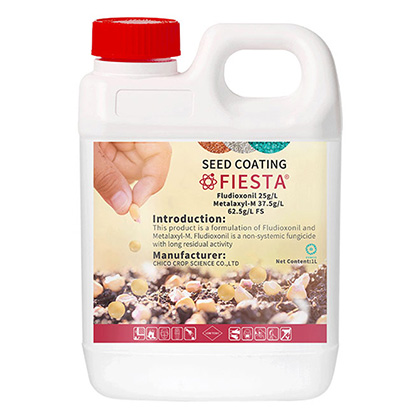
FIESTA® Fludioxonil 25g/L+Metalaxyl-M 37.5g/L FS Seed treatment/ Fungicide
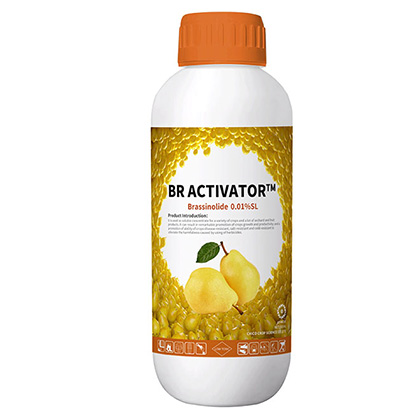
BR ACTIVATOR® Brassinolide 0.01%SL, 0.01%SP Plant Growth Regulator
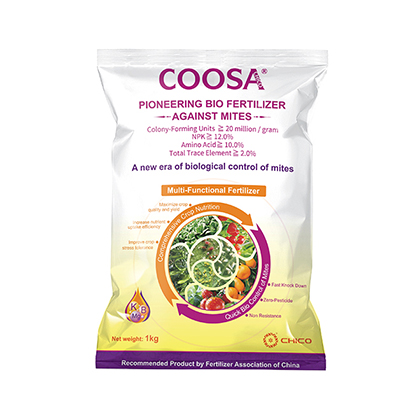
COOSA® -Bio Amino Acid Fertilizer Against Mites
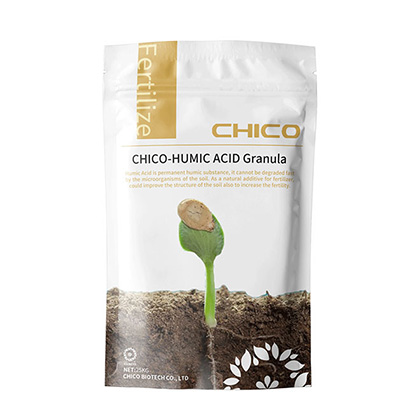
CHICO HUMIC ACID® Granula Organic Fertilizer
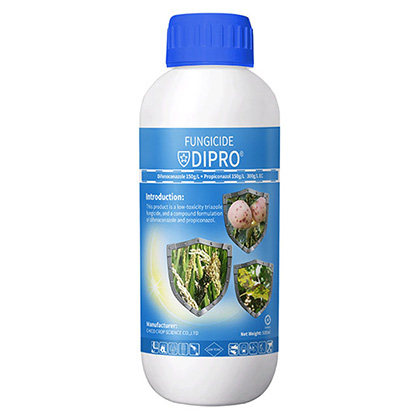
DIPRO® Difenoconazole 150g/L+Propiconazole 150g/L 300g/L EC Fungicide
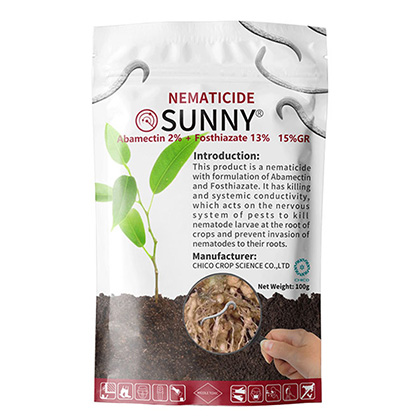
SUNNY® Abamectin 2%+Fosthiazate 13% 15%GR Insecticide
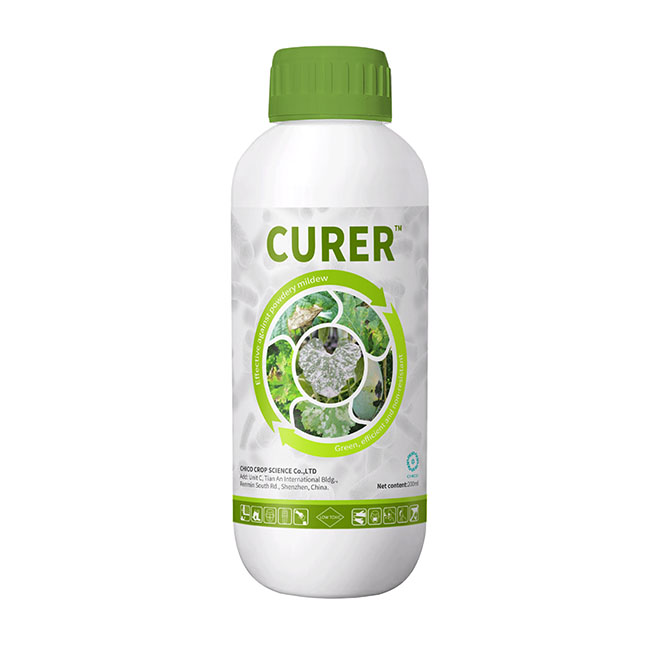
CURER® -Bio Fertilizer for Fungal Diseases

CHOABS® Choline chloride 19.9% + (+)-Abscisic acid 0.1% SL plant growth regulator
Other Argo Chemical News
-
-
 Mar.29.2022 Company NewsCHICO just launched CALIBUR PRO!
 -
-
-
-