




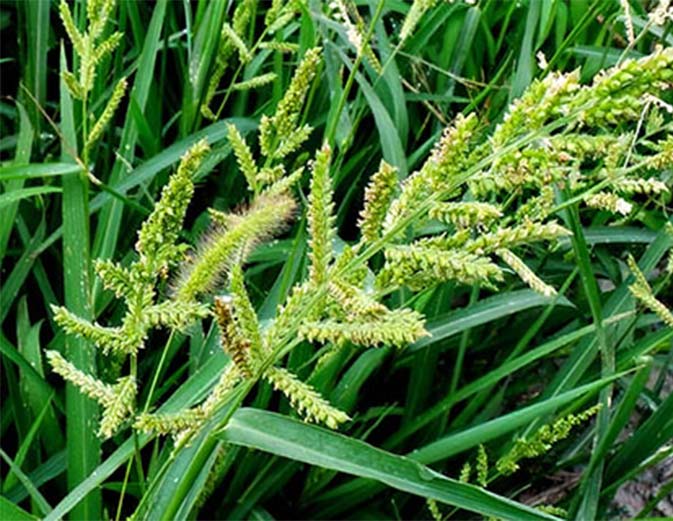

Impact of NPK on Crops and the Advantages of NPK Water Soluble Fertilizer
Dec.24.2025
Table of Content
[Hide]
In agricultural production, the healthy growth of crops depends on the proper supply of nutrients. Among them, nitrogen (N), phosphorus (P), and potassium (K) are the three most essential macronutrients in plant development, collectively known as NPK. With the advancement of modern agriculture, NPK water soluble fertilizer is increasingly favored by growers for its quick dissolution and efficient absorption, providing crops with more precise nutritional support.
The Specific Roles of NPK in Crop Growth
Nitrogen (N)
Nitrogen is a key component of proteins, nucleic acids, enzymes, and hormones—often referred to as the "element of life". It directly affects plant growth speed and chlorophyll synthesis, making it critical for lush foliage and robust photosynthesis.
Nitrogen deficiency: Plants appear stunted, with yellowing leaves and slow growth.
Excess nitrogen: Leads to overly large and dark green leaves, excessive vegetative growth, lodging risk, and lower disease resistance.
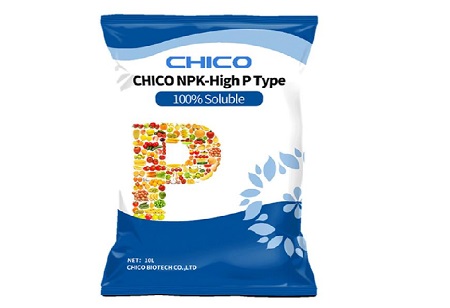
Phosphorus (P)
Phosphorus is vital for cell division, root development, and flowering and fruiting. It also plays a central role in energy metabolism.
Phosphorus deficiency: Results in stunted plants, purplish or reddish leaves, delayed flowering, and poor fruit set.
Adequate phosphorus: Promotes a well-developed root system and enhances flowering and fruit quality.
Potassium (K)
Potassium plays a crucial role in regulating water balance, facilitating sugar transport, and improving stress tolerance.
Potassium deficiency: Causes leaf edge scorching, poor drought and cold resistance, small fruits, and poor quality.
Excess potassium: May lead to nutrient imbalance and interfere with calcium and magnesium uptake, reducing crop quality.
Five Major Advantages of CHICO NPK Water Soluble Fertilizer
As fertigation technology becomes more widespread, NPK water soluble fertilizer has become a key element in modern agriculture. Compared to traditional compound fertilizers, it offers several key advantages:

Fast Dissolution & High Absorption Efficiency
Water soluble NPK quickly and completely dissolves in water. It can be applied directly to the root zone or leaves via drip or spray irrigation systems, increasing nutrient uptake while minimizing waste.
Balanced Formulas for Every Growth Stage
According to national standards, water soluble NPK must contain at least 50% total nutrients, with no single nutrient below 4%. It comes in balanced, high-nitrogen, high-phosphorus, and high-potassium formulas to meet the nutritional needs of crops at different growth stages.
Chelated Micronutrients for Better Absorption
Most water soluble NPK products also include chelated micronutrients such as zinc (Zn) and manganese (Mn), which are more readily absorbed and help regulate enzyme activity, enhancing crop vitality and resistance.
Safe, Clean, and Eco-Friendly
Made from high-purity raw materials, water soluble NPK is free from impurities and clumping. It does not cause soil compaction or environmental pollution, aligning with the goals of sustainable, green agriculture.
Water-Saving and Labor-Efficient
Used in combination with modern irrigation systems, water soluble NPK supports fertigation practices that save water and labor costs, improve fertilization efficiency, and boost crop yields and profitability.
Common Types of Water Soluble NPK
| Type | Application Stage & Benefits |
|---|---|
| Balanced Type | Suitable for the full growth cycle, supports overall development and nutrient balance. |
| High-Nitrogen | Promotes rapid leaf expansion, enhances photosynthesis, and improves plant stress tolerance. |
| High-Phosphorus | Encourages root growth and flower bud formation, increasing fruit set and overall yield. |
| High-Potassium | Supports fruit enlargement, color development, sweetness, and reduces deformities and fruit drop. |
| Crop-Specific | Tailored for crops like tomatoes, grapes, strawberries, and peppers, enabling specialized care. |

Conclusion
Water soluble NPK is not only essential for healthy crop growth but also a vital tool for developing efficient, eco-friendly, and sustainable agriculture. By choosing the right product and applying it scientifically, farmers can significantly boost both the yield and quality of their crops, achieving higher economic returns.

References
Related Agrochemical Products
PROAWAY® Prothioconazole 30 % OD Fungicide
DEFENDER® Deltamethrin 0.2%+Pirimiphos-methyl 1.8% 2% DP Insecticide
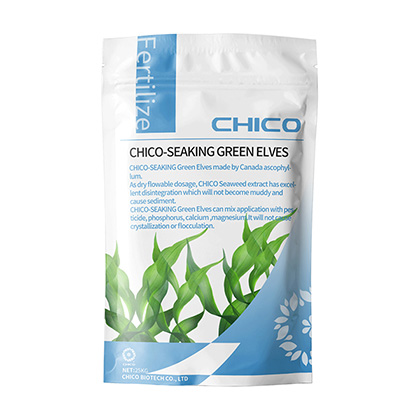
CHICO SEAKING® Green Elves Seaweed Fertilizer Powder Organic Fertilizer
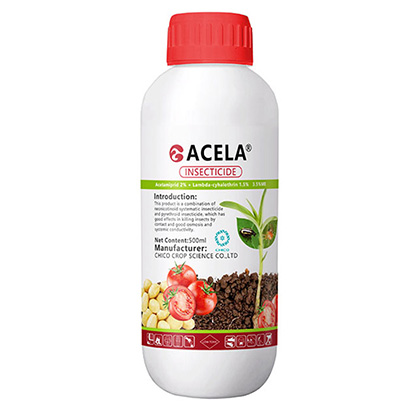
ACELA® Acetamiprid 2%+Lambda-cyhalothrin 1.5% 3.5%ME Insecticide
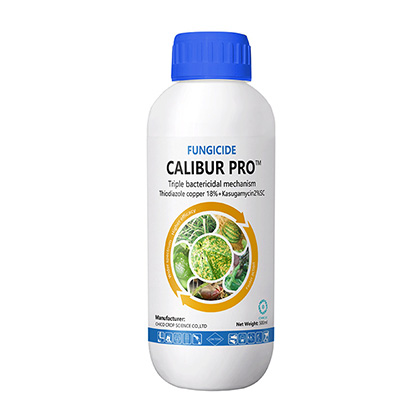
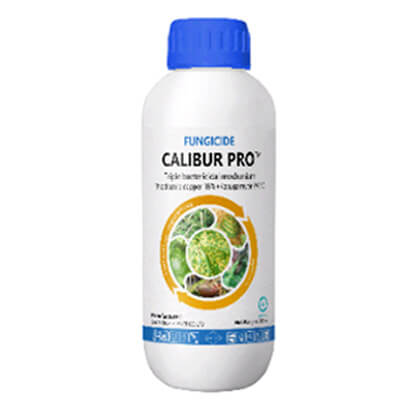
CALIBUR PRO® Thiodiazole Copper 18%+Kasugamycin 2% 20% SC Fungicide
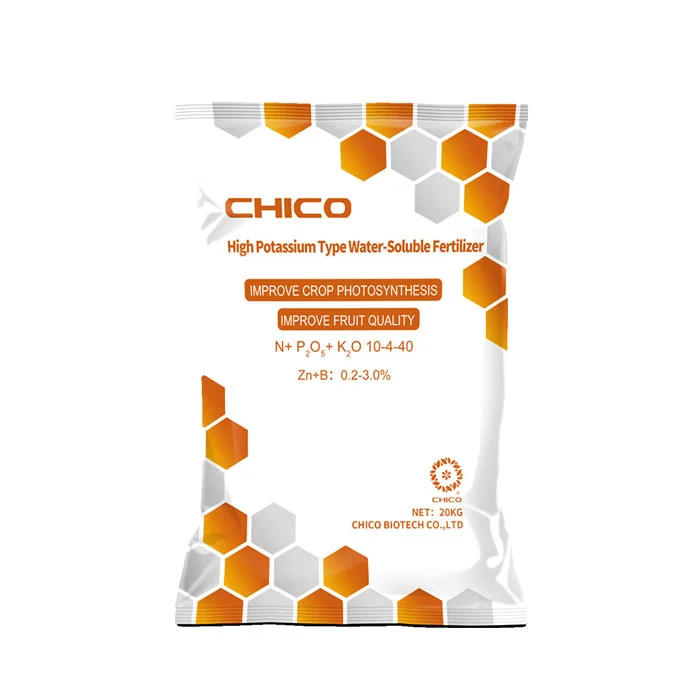
CHICO® High Potassium Type Water-Soluble
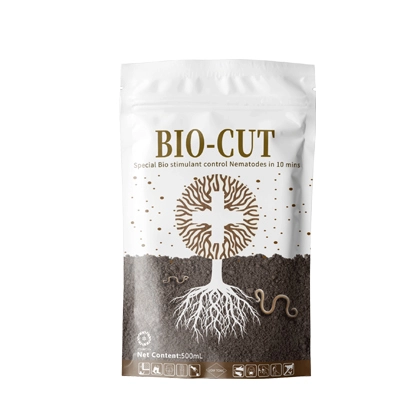
BIO-CUT® - Special Bio stimulant control Nematodes in 10 mins
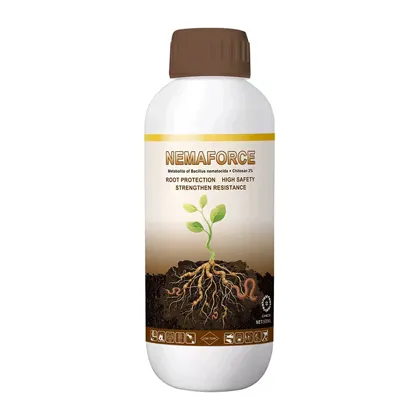
NEMAFORCE® Metabolite of Bacillus nematocida + Chitosan 2% AS
Other Argo Chemical News
-
 Jan.22.2025 BlogHow to Properly Use Emamectin Benzoate 5?
 -
-

-
 Apr.26.2022 Company NewsDing-Dong! Your New COOSA® is Arrived!
 -
-