





Are Plant Biostimulants the Key to Improving Nutrient Use Efficiency in Modern Agriculture?
Feb.28.2026
Table of Content
[Hide]
Yes, plant biostimulants are increasingly recognized as powerful tools for improving nutrient use efficiency in modern agriculture because they enhance root absorption capacity, stimulate nutrient transport mechanisms, optimize metabolic conversion inside the plant, and improve soil nutrient availability. Rather than supplying nutrients directly in large quantities, they enable crops to use existing nutrients more effectively, reducing waste while maintaining productivity.
In today’s agricultural systems, nutrient management is both an economic and environmental priority. Fertilizer costs fluctuate, regulatory pressure is increasing, and nutrient losses through leaching and volatilization remain persistent challenges. Against this backdrop, improving how efficiently plants absorb and utilize nutrients is just as important as determining how much fertilizer is applied. This is where plant biostimulants play a distinctive and increasingly strategic role.
What Is Nutrient Use Efficiency and Why Does It Matter?
Nutrient use efficiency (NUE) refers to the plant’s ability to absorb, assimilate, and convert applied nutrients into harvestable yield. It is generally evaluated through three interconnected stages:
Nutrient uptake efficiency
Nutrient assimilation efficiency
Nutrient utilization efficiency
When any of these stages is limited, applied fertilizers do not translate fully into crop productivity.
Low nutrient use efficiency results in:
Increased production costs
Soil nutrient imbalance
Groundwater contamination
Reduced long-term soil fertility
Improving NUE allows growers to stabilize yields while minimizing environmental impact.
How Plant Biostimulants Enhance Root Nutrient Uptake
One of the primary ways plant biostimulants improve nutrient efficiency is by strengthening the root system.
Expansion of Root Surface Area
Certain biostimulant formulations stimulate lateral root formation and root hair development. An expanded root system increases soil exploration volume, allowing crops to access:
Sparingly available phosphorus
Mobile nitrogen forms
Micronutrients distributed unevenly in the soil
Greater root density enhances contact between roots and nutrient-rich microzones.
Activation of Nutrient Transport Proteins
Plants absorb nutrients through specialized membrane transporters. Biostimulants can influence the expression of genes responsible for these transport proteins, improving the plant’s ability to capture nutrients even when concentrations are low.
This mechanism is particularly valuable in soils with moderate fertility levels, where maximizing efficiency is more sustainable than increasing fertilizer rates.
Improved Root Exudation Patterns
Root exudates influence microbial communities and nutrient solubility. Some biostimulants stimulate the release of organic acids and signaling compounds that mobilize phosphorus and micronutrients in the rhizosphere.
This biochemical interaction enhances nutrient availability without requiring additional fertilizer input.
Enhancing Nutrient Assimilation Inside the Plant
Absorbing nutrients is only the first step. Once inside the plant, nutrients must be metabolically converted into usable forms.
Nitrogen Assimilation Optimization
Nitrogen must be transformed into amino acids and proteins before contributing to growth. Biostimulants containing amino acids or bioactive compounds can support key enzymes involved in nitrogen assimilation pathways.
Improved nitrogen metabolism reduces accumulation of unused nitrate in plant tissues and enhances biomass production efficiency.
Phosphorus Metabolic Integration
Phosphorus plays a central role in energy transfer molecules such as ATP. Certain biostimulants promote metabolic activity that improves phosphorus integration into cellular processes, ensuring more effective energy utilization.
Micronutrient Activation
Micronutrients such as zinc, iron, and manganese function as enzyme cofactors. Biostimulants may enhance enzyme activity indirectly by stabilizing cellular conditions that favor optimal micronutrient function.
This contributes to improved photosynthesis, carbohydrate metabolism, and reproductive development.
Improving Soil Nutrient Availability Through Biological Pathways
Plant biostimulants do not only act on the plant itself; they also influence soil dynamics.
Stimulation of Beneficial Microorganisms
Many soil microbes participate in nutrient cycling, including:
Nitrogen-fixing bacteria
Phosphate-solubilizing microorganisms
Decomposer communities
Biostimulants can enhance microbial population activity, accelerating nutrient mineralization and improving nutrient turnover rates.
Organic Matter Interaction
Humic and fulvic fractions present in certain biostimulant products interact with soil particles, improving:
Cation exchange capacity
Nutrient retention
Soil structure
Improved nutrient retention reduces leaching losses, especially in sandy soils.
Buffering Nutrient Imbalances
In soils where nutrient availability fluctuates rapidly due to rainfall or irrigation patterns, biostimulants can contribute to more stable nutrient dynamics by strengthening soil biological buffering systems.
Nutrient Use Efficiency in Intensive Crop Systems
Different crop systems demonstrate unique nutrient challenges.
High-Density Vegetable Production
Vegetable crops grown under fertigation systems often receive frequent soluble nutrient applications. While this ensures availability, it may also increase leaching risk.
Biostimulant integration in fertigation programs can improve uptake efficiency, allowing crops to convert applied nutrients into yield more effectively while reducing runoff potential.
Broad-Acre Grain Production
In large-scale grain systems, uniform fertilizer distribution can be difficult. Biostimulants may help compensate for minor distribution variability by enhancing root absorption capacity across field zones.
Orchard and Perennial Crops
Perennial crops depend on long-term nutrient balance. Repeated biostimulant applications may strengthen root vitality and improve seasonal nutrient storage, supporting consistent flowering and fruit development across years.
Environmental Implications of Improved Nutrient Efficiency
Enhancing nutrient use efficiency has far-reaching environmental benefits.
Reduced Nitrogen Losses
Nitrogen loss through volatilization and leaching contributes to greenhouse gas emissions and water contamination. When crops assimilate nitrogen more effectively, these losses decline.
Lower Phosphorus Runoff Risk
Improved phosphorus uptake reduces excess soil accumulation, decreasing the likelihood of surface runoff entering nearby water bodies.
Sustainable Resource Utilization
Global phosphate reserves are finite. Improving phosphorus use efficiency supports long-term agricultural sustainability.
Economic Perspective for Growers
Input optimization is central to farm profitability.
When nutrient efficiency improves:
Fertilizer investments produce higher returns
Yield variability declines
Soil fertility is preserved
While biostimulants are not substitutes for fertilizers, they enhance the performance of existing nutrient programs, contributing to more predictable outcomes under variable field conditions.
Application Considerations for Maximum Efficiency
Integration with Fertilization Programs
Biostimulants are most effective when integrated into balanced fertilization strategies rather than applied in isolation.
Crop Growth Stage Targeting
Application timing influences nutrient efficiency outcomes. Early vegetative stages often benefit from root-stimulating formulations, while reproductive stages may require metabolic-support products.
Soil and Climate Assessment
Local soil conditions, organic matter content, and climate factors influence biostimulant effectiveness. Tailoring programs to specific field environments improves consistency.
Frequently Asked Questions
1. Can plant biostimulants reduce fertilizer application rates?
In some systems, improved nutrient efficiency may allow moderate fertilizer optimization, but reductions should be based on field evaluation rather than assumption.
2. Do biostimulants work in low-fertility soils?
They can enhance nutrient uptake efficiency, but severely deficient soils still require appropriate fertilization.
3. Are biostimulants effective in hydroponic systems?
Certain formulations are compatible with soilless systems and may enhance nutrient assimilation efficiency.
4. How long does it take to observe improvements in nutrient use efficiency?
Physiological responses may appear during the same growing season, but long-term soil-related benefits develop progressively.
5. Are biostimulants environmentally safe?
Most plant biostimulants are designed to be environmentally compatible, particularly those derived from natural or biological sources.
Conclusion
Modern agriculture is shifting from a model of input intensity toward one of input efficiency. Increasing fertilizer rates alone does not guarantee improved yield outcomes; the plant’s ability to absorb and utilize nutrients determines real productivity.
Plant biostimulants improve nutrient use efficiency by strengthening root architecture, stimulating nutrient transport systems, enhancing metabolic assimilation pathways, and supporting soil biological activity. These mechanisms collectively reduce nutrient waste, improve environmental stewardship, and contribute to stable crop performance.
As global agriculture seeks solutions that balance productivity with sustainability, nutrient efficiency enhancement through plant biostimulants represents a strategic and forward-looking approach.
References
Food and Agriculture Organization of the United Nations (FAO). Fertilizer Use Efficiency in Agriculture.
https://www.fao.org/home/en
European Biostimulants Industry Council (EBIC). The Role of Biostimulants in Nutrient Efficiency.
https://biostimulants.eu/
United States Department of Agriculture (USDA) Natural Resources Conservation Service. Nutrient Management and Soil Health.
https://www.nrcs.usda.gov/
Ladha, J. K., et al. (2005). Efficiency of Fertilizer Nitrogen in Cereal Production. Advances in Agronomy.
https://www.sciencedirect.com/
du Jardin, P. (2015). Plant Biostimulants: Definition and Main Categories. Scientia Horticulturae.
https://www.sciencedirect.com/
References
Related Agrochemical Products

GLOFOME® Fomesafen 16% + Quizalofop-P-ethyl 6% 22%EC Herbicide
CHICO HUMIC ACID® Granula Organic Fertilizer
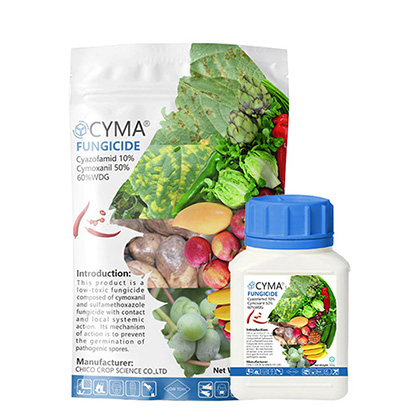
CYMA® Cyazofamid 10%+Cymoxanil 50% 60% WDG Fungicide
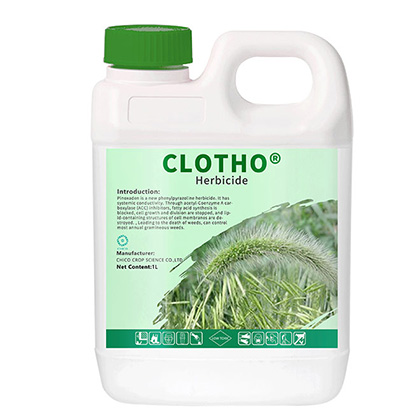
CLOTHO® Pinoxaden 5% EC Herbicide
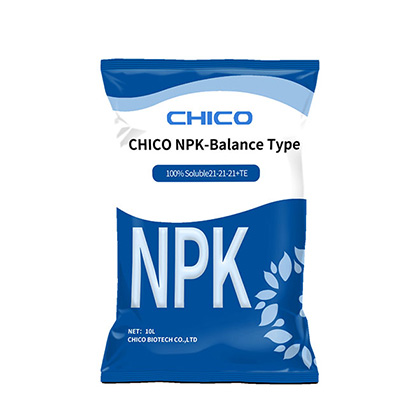
CHICO NPK® Balance Water-soluble Compound Fertilizer

HUMMER® Hexaflumuron 5%EC Insecticide
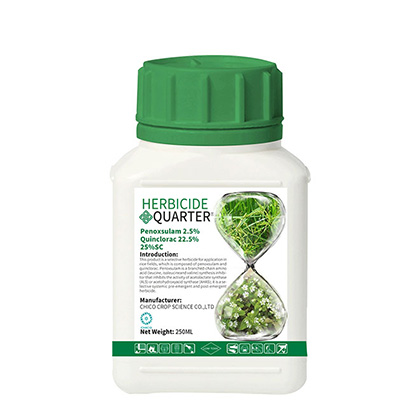
QUARTER® Penoxsulam 2.5%+Quinclorac 22.5% 25% SC Herbicide
CHICO AMICA® Amino Acid Powder Organic Fertilizer