



What Is the Future of Agriculture Insecticide in Sustainable Farming Systems?
Mar.31.2026
Table of Content
[Hide]
The future of agriculture insecticide lies in more precise, efficient, and environmentally responsible solutions that integrate advanced chemistry, biological innovation, and smart application technologies. Instead of relying solely on traditional approaches, modern insecticide strategies are evolving to support sustainable farming while maintaining effective pest control and stable crop yields.
Agriculture is entering a new phase where productivity must be balanced with environmental stewardship. Farmers are under increasing pressure to reduce ecological impact while still meeting global food demand. In this context, insect control is being redefined. The goal is no longer just eliminating pests, but doing so in a way that preserves soil health, protects beneficial organisms, and minimizes long-term risks.
As a result, agriculture insecticide products are undergoing significant transformation. Innovations in formulation, delivery, and integration are shaping the next generation of crop protection tools.
The Evolution of Agriculture Insecticide Technologies
Insecticide development has progressed through several stages, each reflecting changes in agricultural priorities.
From Broad-Spectrum to Targeted Solutions
Traditional insecticide products often focused on broad-spectrum control, targeting a wide range of insects regardless of their role in the ecosystem.
Modern approaches prioritize:
Target-specific action
Reduced impact on non-target organisms
Improved safety profiles
This shift allows farmers to control harmful pests while preserving beneficial insects such as pollinators and natural predators.
Improved Chemical Insecticide Formulations
Chemical insecticide technologies continue to evolve. New-generation formulations are designed to:
Increase efficacy at lower application rates
Improve environmental degradation profiles
Reduce residue persistence
These improvements make chemical insecticide solutions more compatible with sustainable farming goals.
Precision Delivery Systems
Advancements in application technology are improving how insecticide products are delivered in the field.
Precision spraying systems now allow:
Targeted application zones
Reduced chemical waste
Improved coverage efficiency
This reduces overall input use while maintaining pest control effectiveness.
Integration of Sustainability into Insecticide Strategies
Sustainability is becoming a central factor in insecticide development and use.
Reducing Environmental Impact
Modern agriculture insecticide strategies aim to minimize:
Soil contamination
Water pollution
Impact on beneficial organisms
This is achieved through improved formulations and more accurate application techniques.
Supporting Biodiversity
Beneficial insects play a critical role in pest control and pollination. Selective insecticide products are increasingly designed to:
Target specific pest species
Preserve natural predators
Maintain ecological balance
This approach reduces dependence on repeated chemical interventions.
Lowering Residue Concerns
Consumer demand for safe food products has increased attention on residue management. New insecticide products are developed with:
Shorter pre-harvest intervals
Faster degradation rates
Lower residue accumulation
These features help farmers meet market and regulatory requirements.
The Role of Smart Agriculture in Insecticide Application
Technology is transforming how insecticides are applied and managed.
Data-Driven Pest Monitoring
Digital tools enable farmers to track pest populations in real time. Monitoring systems provide:
Early detection of pest outbreaks
Accurate population thresholds
Data-supported decision making
This reduces unnecessary insecticide applications.
Precision Agriculture Integration
Combining insecticide products with precision agriculture technologies allows:
Variable-rate application
Site-specific pest control
Reduced input costs
This approach improves efficiency and minimizes environmental impact.
Automation and Drone Application
Drone-based spraying systems are increasingly used in agriculture. These systems offer:
Access to difficult terrain
Uniform application
Reduced labor requirements
Automation enhances consistency while lowering operational complexity.
Resistance Management in Future Insecticide Use
One of the biggest challenges in insect control is resistance development.
Diversification of Modes of Action
Future insecticide strategies emphasize rotating products with different modes of action to prevent pests from adapting.
Combining Control Methods
Integrating chemical insecticide solutions with biological and cultural practices reduces reliance on any single method.
Monitoring Resistance Trends
Ongoing monitoring helps identify early signs of resistance, allowing farmers to adjust strategies before control failure occurs.
Sustainable Insecticide Use Across Crop Systems
Different crops will adopt future insecticide technologies in unique ways.
Large-Scale Row Crops
In cereals and oilseed crops, the focus will be on:
Cost efficiency
Large-area coverage
Reduced environmental footprint
Precision application will play a major role in these systems.
High-Value Horticulture
In fruits and vegetables, emphasis will be placed on:
Residue control
Product safety
Visual quality protection
Selective insecticide products will become increasingly important.
Protected Agriculture
Greenhouses and controlled environments allow for highly targeted insecticide application combined with biological control systems.
Regulatory and Market Drivers
Government policies and market expectations are shaping the future of insecticide products.These evolving requirements are also driving changes across the agrochemicals industry, pushing companies to develop safer, more sustainable, and more efficient crop protection solutions.
Stricter Environmental Regulations
Regulatory frameworks are becoming more stringent, requiring:
Safer active ingredients
Reduced environmental persistence
Improved risk assessment
Consumer Demand for Sustainable Products
Consumers increasingly prefer products grown with environmentally responsible practices. This demand influences how insecticide products are developed and used.
Global Trade Requirements
Export markets often require compliance with strict residue limits and safety standards, driving adoption of advanced insecticide solutions.
Challenges in Transitioning to Sustainable Insecticide Systems
Despite progress, several challenges remain.
Cost Considerations
Advanced insecticide products and technologies may involve higher initial costs, which can affect adoption rates.
Knowledge and Training
Effective use of modern insecticide strategies requires understanding:
Pest biology
Product characteristics
Application timing
Training and education are essential for successful implementation.
Adaptation to Local Conditions
Not all solutions perform equally across different climates and farming systems. Local adaptation remains critical.
FAQs About the Future of Agriculture Insecticide
Will chemical insecticides disappear in the future?
No. Chemical insecticide solutions will continue to play an important role but will be used more selectively and responsibly.
What makes modern insecticide products more sustainable?
Improved formulations, targeted action, and reduced environmental impact contribute to sustainability.
How does technology improve insecticide use?
Precision agriculture and data monitoring enable more accurate and efficient application.
Are sustainable insecticide strategies effective?
Yes, when properly implemented, they provide effective pest control while reducing environmental risks.
What is the biggest challenge for future insecticide use?
Balancing effectiveness, cost, and environmental responsibility remains the key challenge.
Conclusion
The future of agriculture insecticide is defined by balance — balancing productivity with sustainability, efficiency with environmental protection, and innovation with practical application.
As farming systems evolve, insecticide products will become more precise, more selective, and more integrated into broader agricultural strategies. By adopting advanced technologies, improving application methods, and focusing on long-term system health, growers can continue to manage pests effectively while meeting the demands of sustainable agriculture.
References
Food and Agriculture Organization (FAO). Sustainable Pest Management Practices.
https://www.fao.org/
United States Environmental Protection Agency (EPA). Advances in Pesticide Technology.
https://www.epa.gov/pesticides
United States Department of Agriculture (USDA). Precision Agriculture and Pest Management.
https://www.usda.gov/
National Pesticide Information Center (NPIC). Future Trends in Insecticide Use.
http://npic.orst.edu/
OECD Agriculture and Environment Publications. Sustainable Crop Protection.
https://www.oecd.org/agriculture/
References
Related Agrochemical Products
CHICO AMICA® Amino Acid TE Mixed Organic Fertilizer
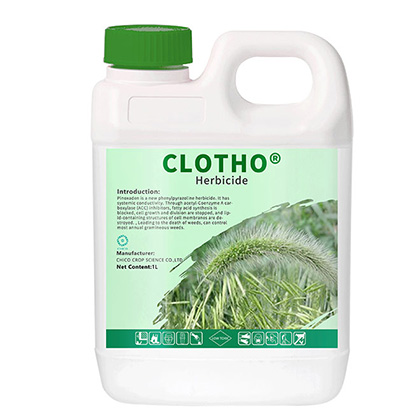
CLOTHO® Pinoxaden 5% EC Herbicide
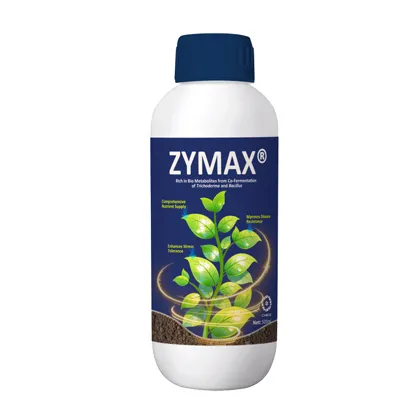
ZYMAX Organic Bio Amino Acid Fertilizer
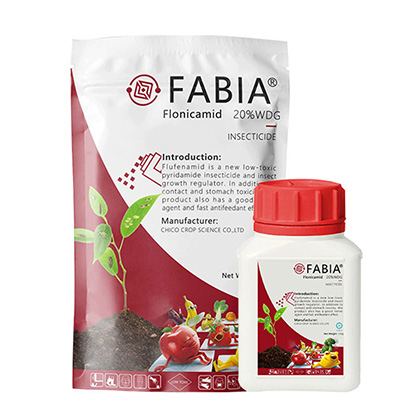
FABIA® Flonicamid 20%WDG Insecticide
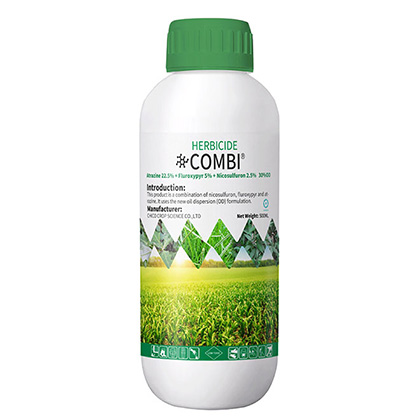
COMBI® Atrazine 22.5%+Fluroxypyr 5%+Nicosulfuron 2.5% 30%OD Herbicide
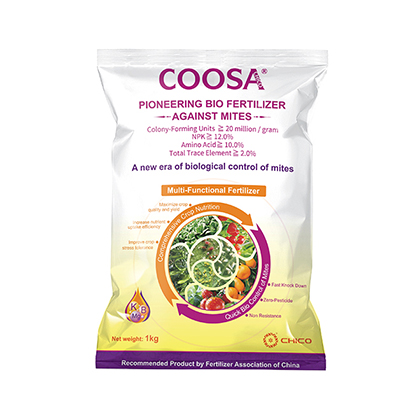
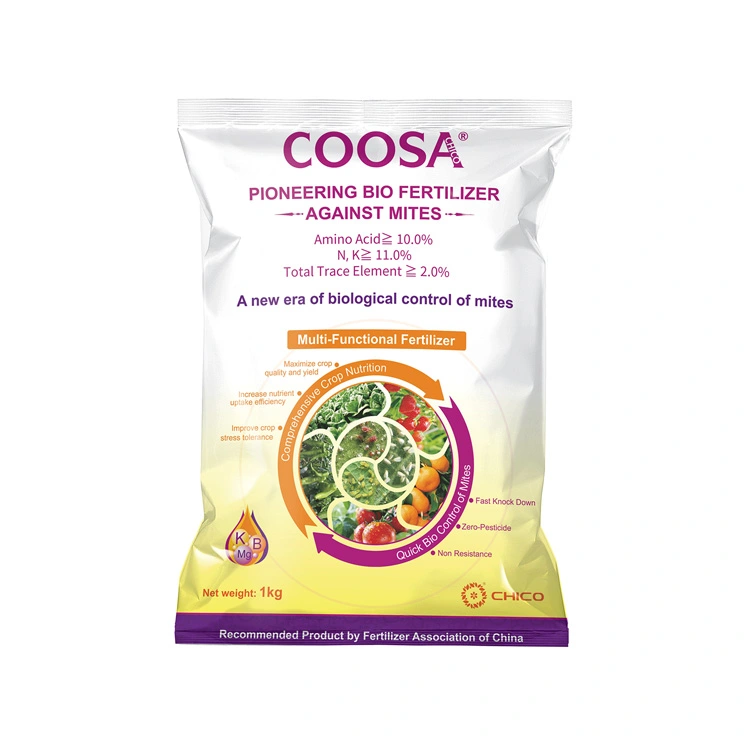
COOSA® -Bio Amino Acid Fertilizer Against Mites
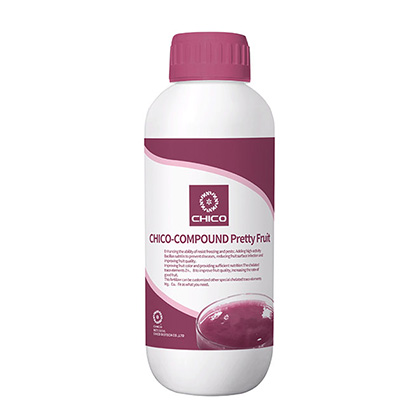
CHICO COMPOUND® Pretty Fruit Microbial Liquid Compound Fertilizer
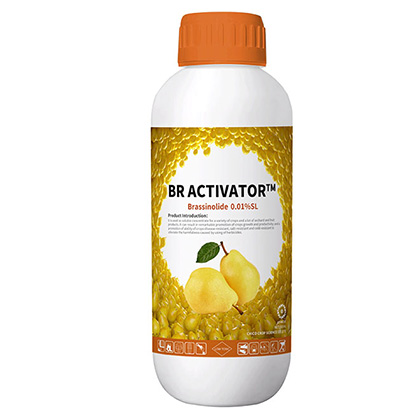
BR ACTIVATOR® Brassinolide 0.01%SL, 0.01%SP Plant Growth Regulator