







What Are Biostimulants and Why Are They Essential for Modern Agriculture?
Feb.27.2026
Table of Content
[Hide]
Biostimulants are natural or biologically derived substances that enhance plant growth, improve nutrient efficiency, strengthen stress tolerance, and support soil vitality without acting as traditional fertilizers or pesticides. They are essential in modern agriculture because they help farmers increase productivity while improving sustainability, resilience, and long-term soil health.
Across global farming systems, growers are facing mounting challenges: declining soil fertility, nutrient inefficiencies, unpredictable climate conditions, and increasing expectations for environmentally responsible production. In this evolving landscape, plant biostimulants have become a practical and science-backed solution that supports both yield performance and sustainable crop production.
Unlike conventional inputs that focus primarily on supplying nutrients or eliminating pests, biostimulant products work by stimulating natural biological processes inside plants and within the soil ecosystem. They enhance what is already present—unlocking the plant’s potential to perform better under both optimal and stressful conditions.
Understanding What Biostimulants Are — and What They Are Not
One of the most common misunderstandings in agriculture is assuming that biostimulants are simply another type of fertilizer. They are not.
Fertilizers directly provide essential nutrients such as nitrogen, phosphorus, and potassium. Biostimulants for plants, on the other hand, improve how efficiently those nutrients are absorbed and utilized. They enhance physiological processes including root development, enzyme activity, and nutrient transport.
This distinction becomes especially important in integrated crop programs where conventional inputs such as npk compound fertilizer are used to supply primary nutrients, while biostimulants improve uptake efficiency and overall plant performance. Rather than replacing traditional fertilization strategies, biostimulants complement them.
Their value lies in stimulating plant nutrition processes independently of the product’s nutrient content. This functional approach explains why biostimulants in agriculture are increasingly integrated into conventional and sustainable crop programs alike.
How Biostimulants Improve Plant Performance
Enhanced Root Development
Strong root systems are the foundation of high-performing crops. Biostimulant products often stimulate primary root elongation, lateral root branching, and root hair density.
Improved root architecture allows crops to access water and nutrients more effectively, especially in compacted or nutrient-limited soils. In rice cultivation systems, where fertilizer for rice must be carefully managed due to waterlogged conditions, enhanced root activity can significantly improve nutrient efficiency and plant vigor.
Seaweed extracts, amino acid formulations, and humic substances are particularly known for their ability to promote root vigor. A larger root system translates into greater resilience during drought stress and improved nutrient uptake efficiency.
Improved Nutrient Use Efficiency
In many agricultural systems, a significant percentage of applied fertilizer never reaches the plant due to leaching, volatilization, or soil fixation. Plant biostimulants improve nutrient assimilation by enhancing membrane transport systems, activating metabolic enzymes, and improving chelation of micronutrients.
Growers using npk soluble fertilizer in fertigation systems often find that combining nutrient programs with biostimulant strategies results in more consistent vegetative growth and improved crop uniformity.
Increased Stress Tolerance
Modern crop production is increasingly shaped by environmental stress—heat waves, salinity, erratic rainfall, and cold snaps.
Biostimulants for crop production and sustainable agriculture help plants regulate stress responses by supporting antioxidant pathways, improving osmotic balance, stabilizing chlorophyll production, and reducing oxidative damage.
During high disease pressure periods, particularly in crops like rice, citrus, or cotton, growers may rely on targeted protection products such as tricyclazole fungicide for blast management or azoxystrobin difenoconazole products for broad-spectrum control. However, strengthening the plant’s physiological resilience through biostimulant use can improve overall tolerance and recovery capacity following stress exposure.
Major Categories of Biostimulant Products in Agriculture
Seaweed Extracts
Derived from marine algae, seaweed-based plant biostimulants contain naturally occurring compounds that stimulate growth and enhance stress tolerance.
In some production systems, seaweed extract price considerations influence adoption rates, yet growers increasingly recognize the long-term agronomic value beyond short-term input cost comparisons.
Amino Acid and Protein Hydrolysates
Amino acid liquid fertilizer formulations are widely used to support plant metabolism during critical growth stages. These products provide readily available amino compounds that reduce energy expenditure within the plant, particularly under stress conditions.
Interest in amino acid fertilizer benefits has grown significantly in recent years, especially among vegetable and fruit growers seeking improved crop quality and uniformity. In horticulture, amino acid fertilizer for plants is frequently applied during flowering and fruit set to support metabolic demand.
For those evaluating different formulations, amino acid fertilizer products vary in concentration and raw material sourcing, which can influence performance consistency. Some growers even explore how to make amino acid for plants at a small scale, although professionally formulated solutions typically ensure more reliable results.
Humic and Fulvic Substances
Humic acid organic fertilizer improves soil structure, enhances cation exchange capacity, and supports beneficial microbial populations. In degraded soils with low organic matter, humic substances can significantly improve nutrient availability and water retention.
These materials contribute to better root-soil interaction, creating conditions where plants can access nutrients more efficiently.
Microbial Biostimulants
Beneficial microorganisms such as Bacillus species and arbuscular mycorrhizal fungi for sale in commercial markets play an increasingly important role in regenerative agriculture systems. These microbes enhance nutrient cycling, support phosphorus solubilization, and improve drought tolerance.
Microbial activity is fundamental to long-term soil fertility, and biostimulant strategies often aim to stimulate or supplement existing biological communities.
Why Biostimulants Are Essential for Sustainable Agriculture
Sustainable agriculture requires improving productivity without compromising environmental integrity. Biostimulants in agriculture support this objective in several ways.
Reduced Input Waste
By improving nutrient efficiency, plant biostimulants help reduce fertilizer loss into groundwater or the atmosphere. In systems where herbicide price fluctuations influence input decisions, improving nutrient efficiency through biological stimulation can contribute to more balanced crop management strategies.
Improved Soil Health
Healthy soils contain active microbial populations and stable organic matter. Biostimulants contribute to maintaining this balance by stimulating microbial activity and improving soil structure.
Climate Resilience
As climate variability intensifies, crops must withstand periods of stress. Biostimulants enhance resilience by supporting internal plant defense systems and metabolic stability.
Long-Term Productivity
Rather than relying solely on external inputs, biostimulant products encourage stronger biological systems within the soil-plant continuum. This promotes consistent performance across growing seasons and reduces dependency on reactive interventions.
Application Strategies for Maximum Effectiveness
The effectiveness of plant biostimulants depends on proper application timing and method.
Common application methods include foliar spraying, soil drenching, seed treatment, and fertigation systems. In cotton production, where growers may already apply fungicide for cotton crop during disease-prone periods, integrating biostimulants at early vegetative stages can strengthen root establishment and improve nutrient efficiency before stress pressure escalates.
For many crops, early vegetative stages are ideal for stimulating root development, while pre-flowering applications may support reproductive performance. Environmental conditions, crop type, and soil characteristics should always guide application planning.
Biostimulants in Global Crop Production Systems
Biostimulants are now widely adopted across cereals and grains, horticultural crops, fruit orchards, vegetable production, and plantation crops.
In citrus systems where growers manage disease with fungicide for citrus trees, integrating plant biostimulants helps maintain canopy vigor and improve nutrient balance. Similarly, in rice systems vulnerable to blast disease, combining protective strategies such as blast fungicide applications with biological stimulation supports more stable yield outcomes.
This broad adaptability is one reason biostimulant products have become central to discussions about the future of crop production.
Frequently Asked Questions About Biostimulants
1. Are biostimulants fertilizers?
No. Biostimulants enhance plant physiological processes but do not primarily function as nutrient suppliers.
2. Can biostimulants replace pesticides?
They do not directly control pests or diseases, but they can improve plant vigor and stress resistance.
3. Are plant biostimulants suitable for organic farming?
Many formulations are compatible with organic standards, depending on certification requirements.
4. Do biostimulant products guarantee higher yields?
Performance depends on crop type, soil condition, and management practices. They are most effective when integrated into balanced crop programs.
5. How often should biostimulants be applied?
Application frequency depends on crop growth stage and environmental conditions. Multiple targeted applications often produce better results.
Conclusion
Biostimulants are no longer considered optional supplements in modern agriculture. They have become essential tools for improving plant health, optimizing nutrient efficiency, and strengthening resilience under increasingly complex growing conditions.
By supporting natural biological processes rather than relying solely on external inputs, biostimulants help bridge the gap between productivity and sustainability. As agriculture continues to evolve, biological stimulation strategies will remain central to crop production systems worldwide.
References
References
Related Agrochemical Products
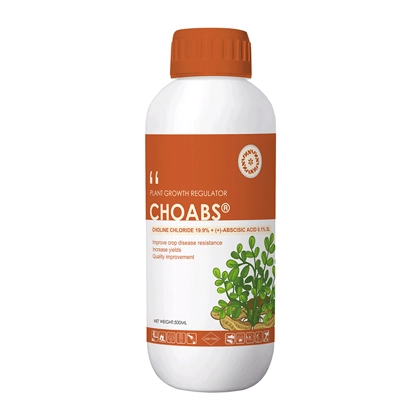
CHOABS® Choline chloride 19.9% + (+)-Abscisic acid 0.1% SL plant growth regulator
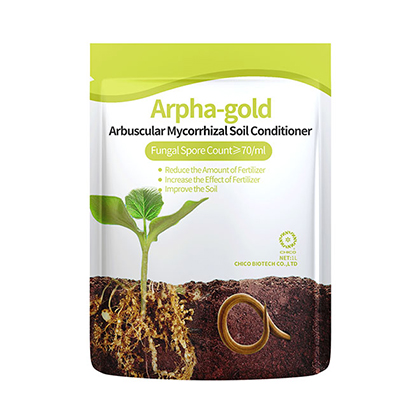
ARPHA GOLD® - Bio Arbuscular Mycorrhiza Fungal AFM Soil Conditioner
PELIN® Pendimethalin 450g/L CS Herbicide
ACELA® Acetamiprid 2%+Lambda-cyhalothrin 1.5% 3.5%ME Insecticide
BIO AMINO® Organic Bio Amino Acid Fertilizer

SUNNY® Abamectin 2%+Fosthiazate 13% 15%GR Insecticide

HUMMER® Hexaflumuron 5%EC Insecticide
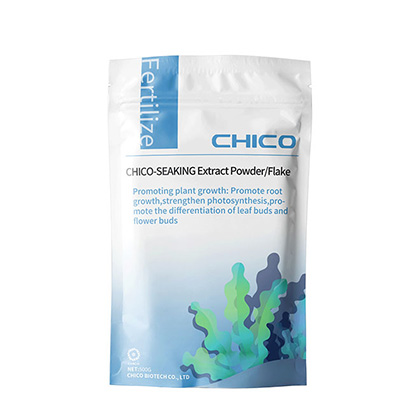
CHICO SEAKING® Seaweed Extract Powder/Flake Organic Fertilizer
Other Argo Chemical News
-
-
 Dec.31.2024 BlogHow to use pesticides correctly ?
 -

-

-
-